

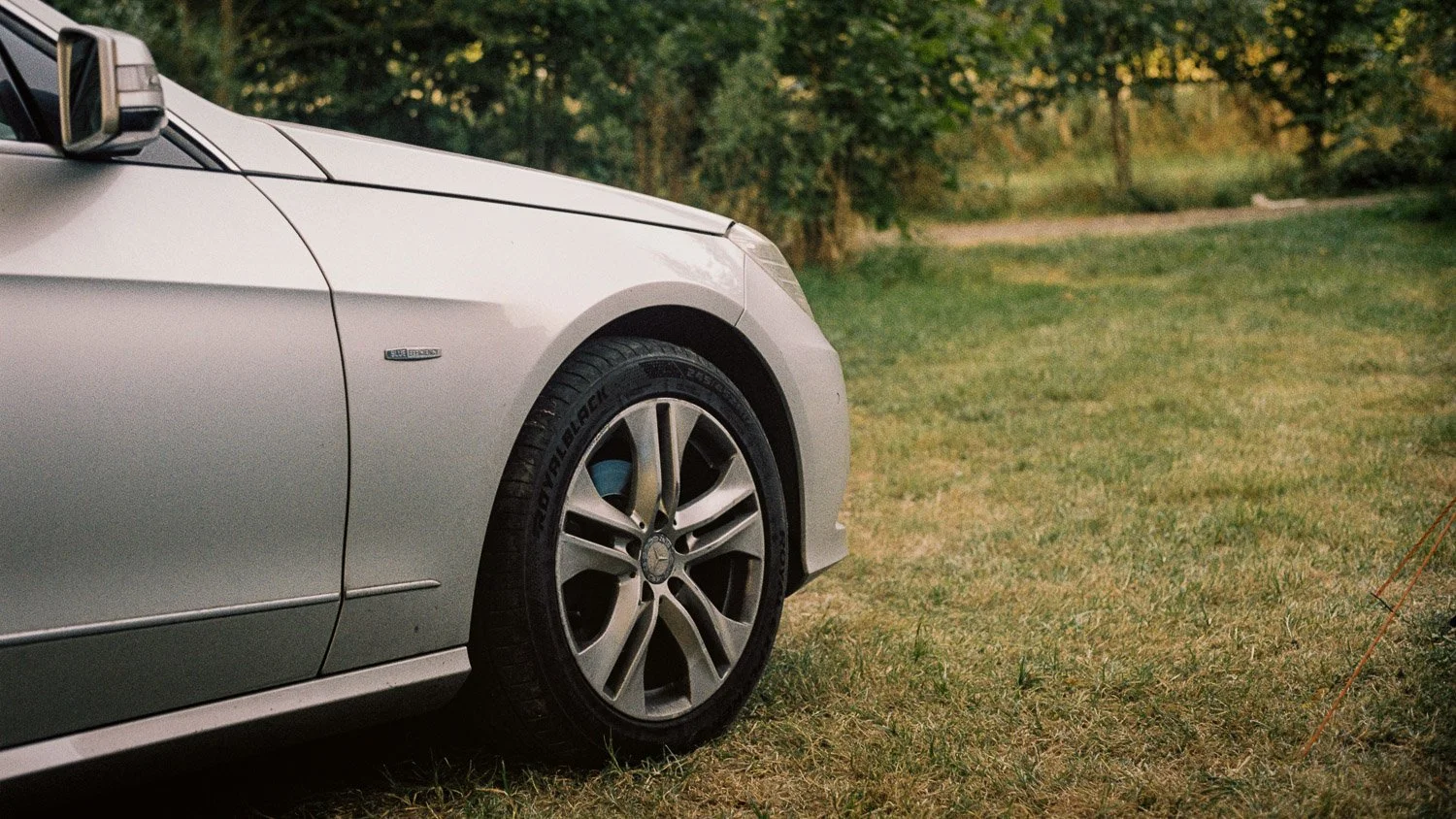
Quiet Life Vol. 1
No Fixed Address
A first-person documentary project about being without a secure home while continuing to work full-time as a mechanic near Bristol.
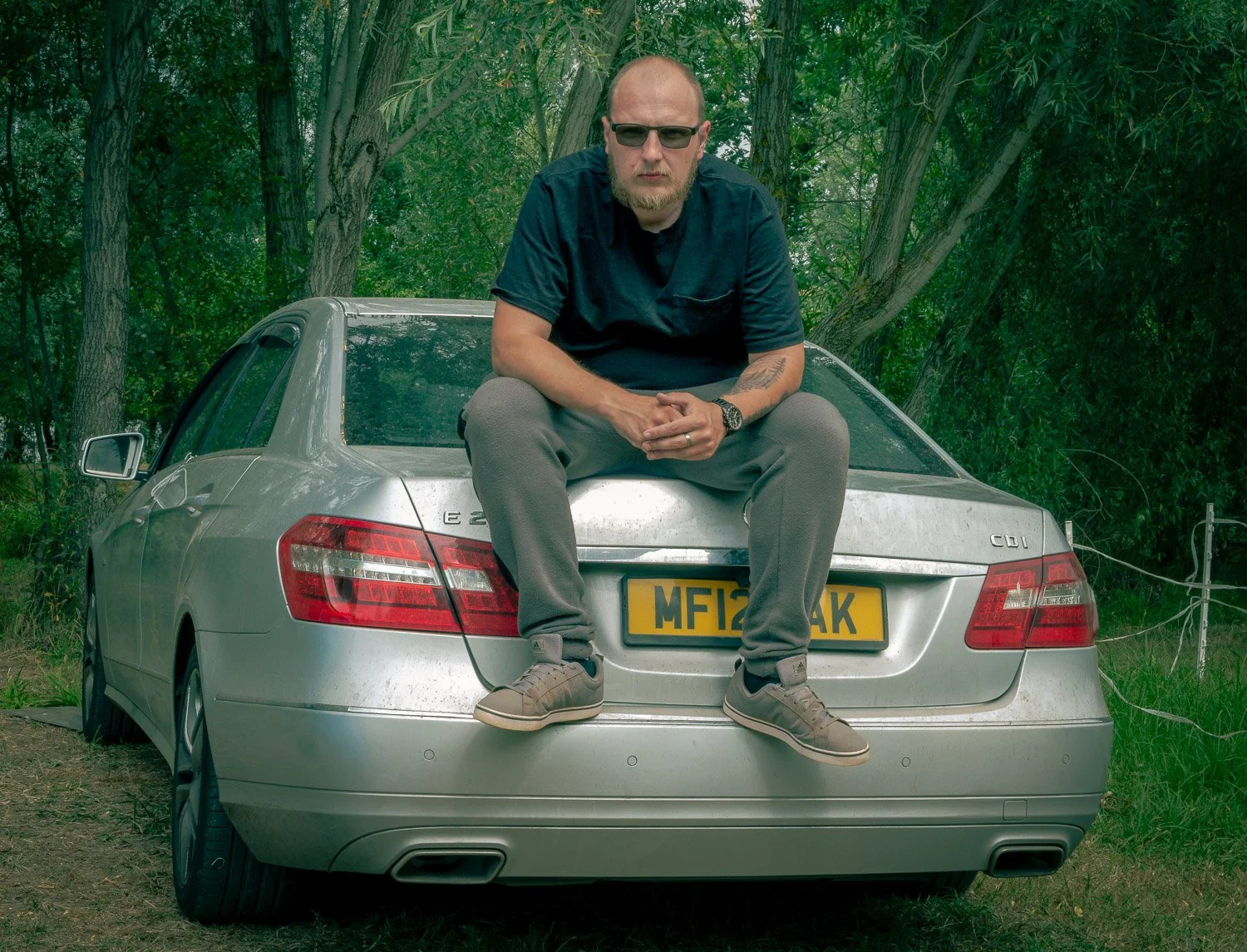
For 23 nights during the summer of 2026, I had no secure home to return to.
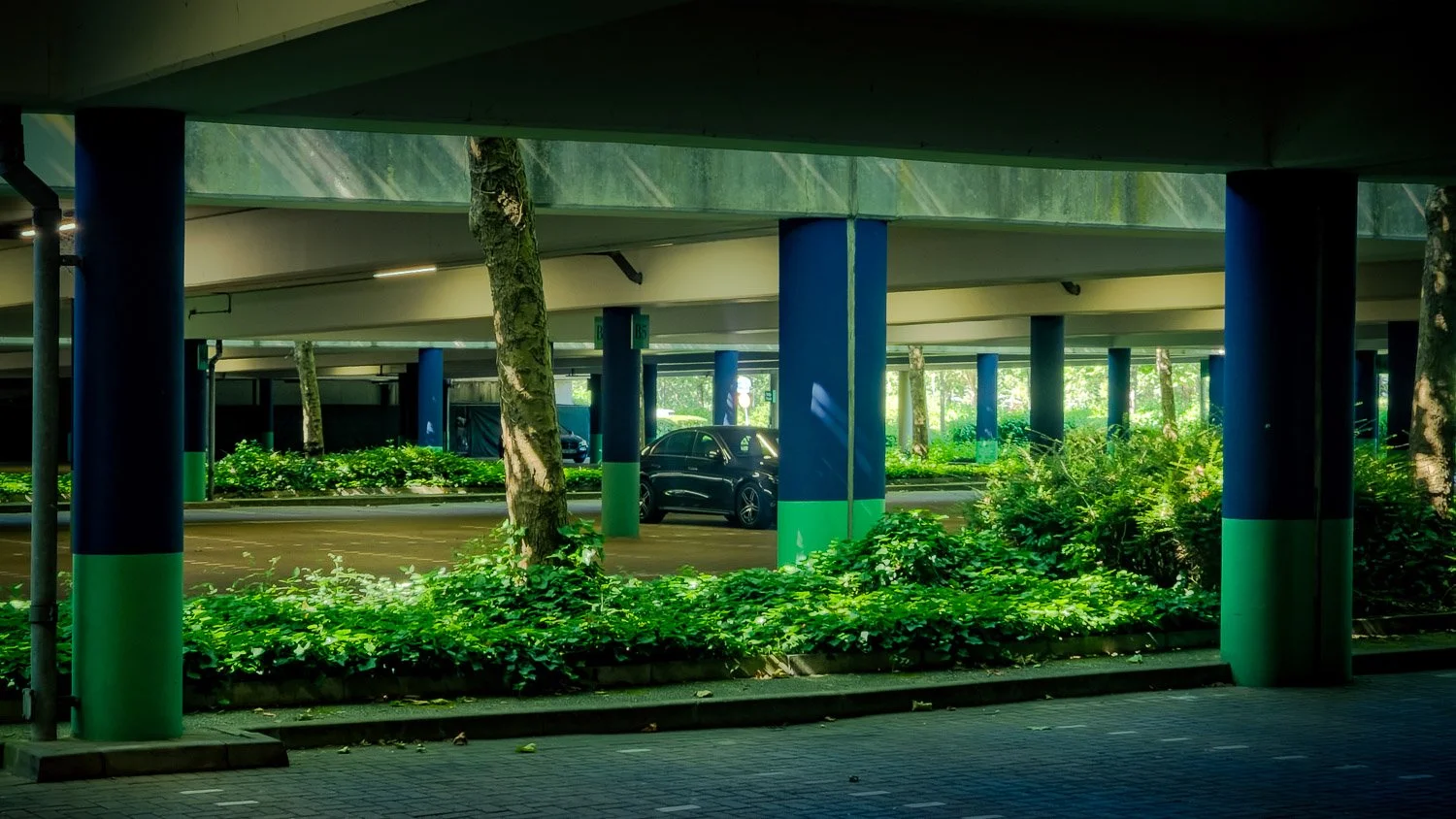
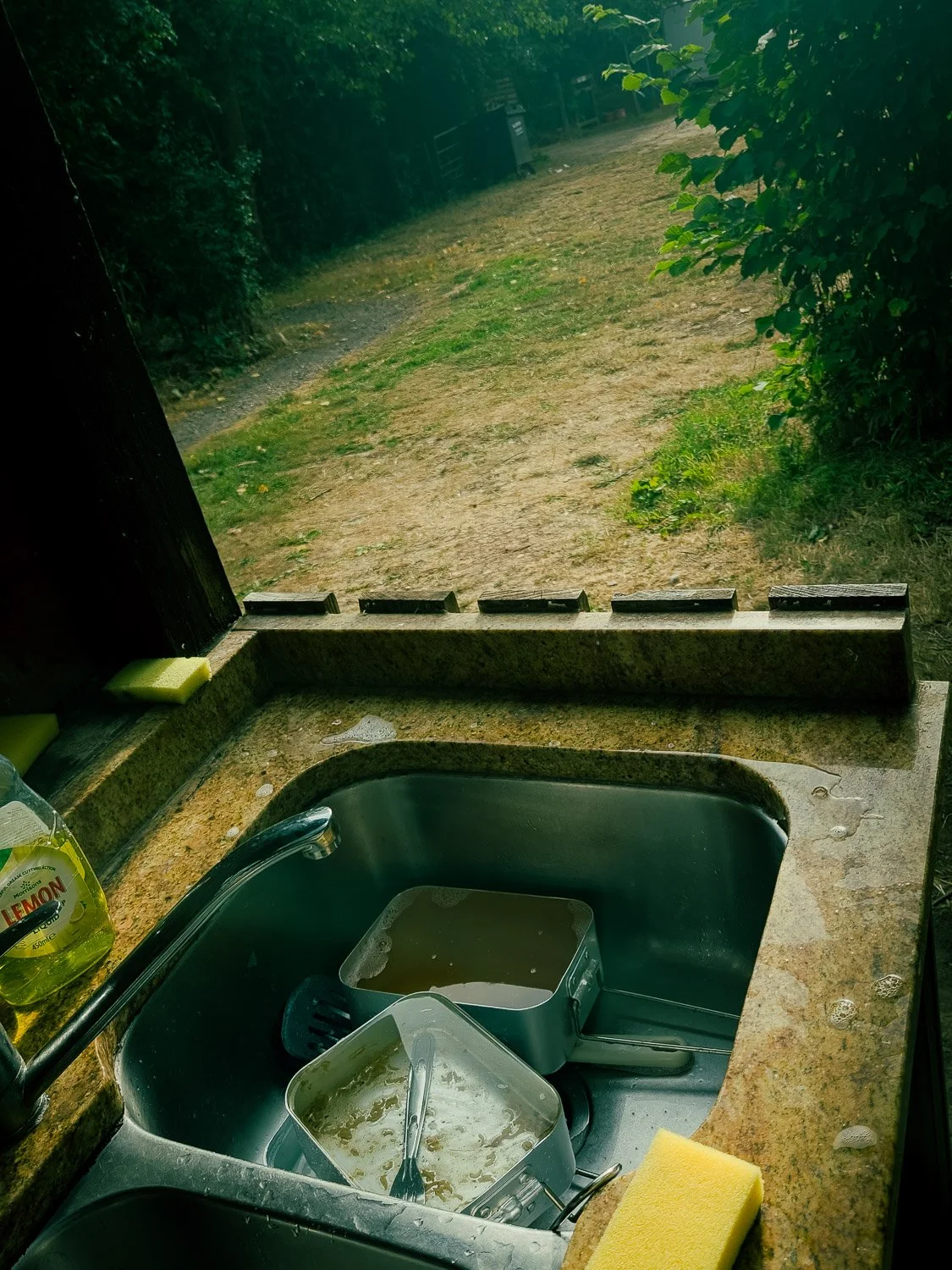
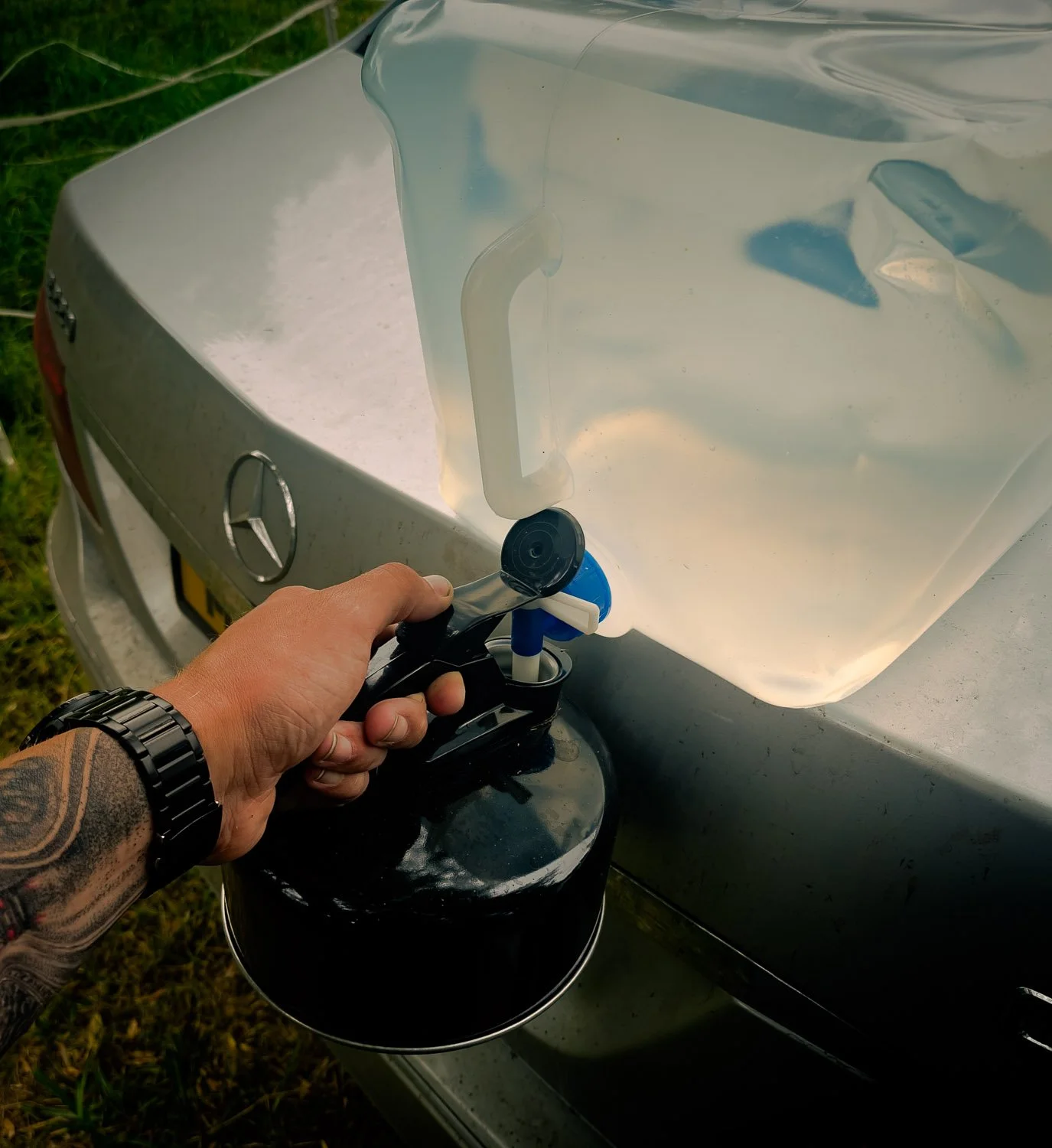
I was still working, still turning up for shifts and still trying to make ordinary life look ordinary. I slept in my car, then moved to a campsite. The project grew out of the practical routines around that: finding somewhere to park, washing, changing clothes, charging equipment, keeping food and water, and working out where I would sleep next.
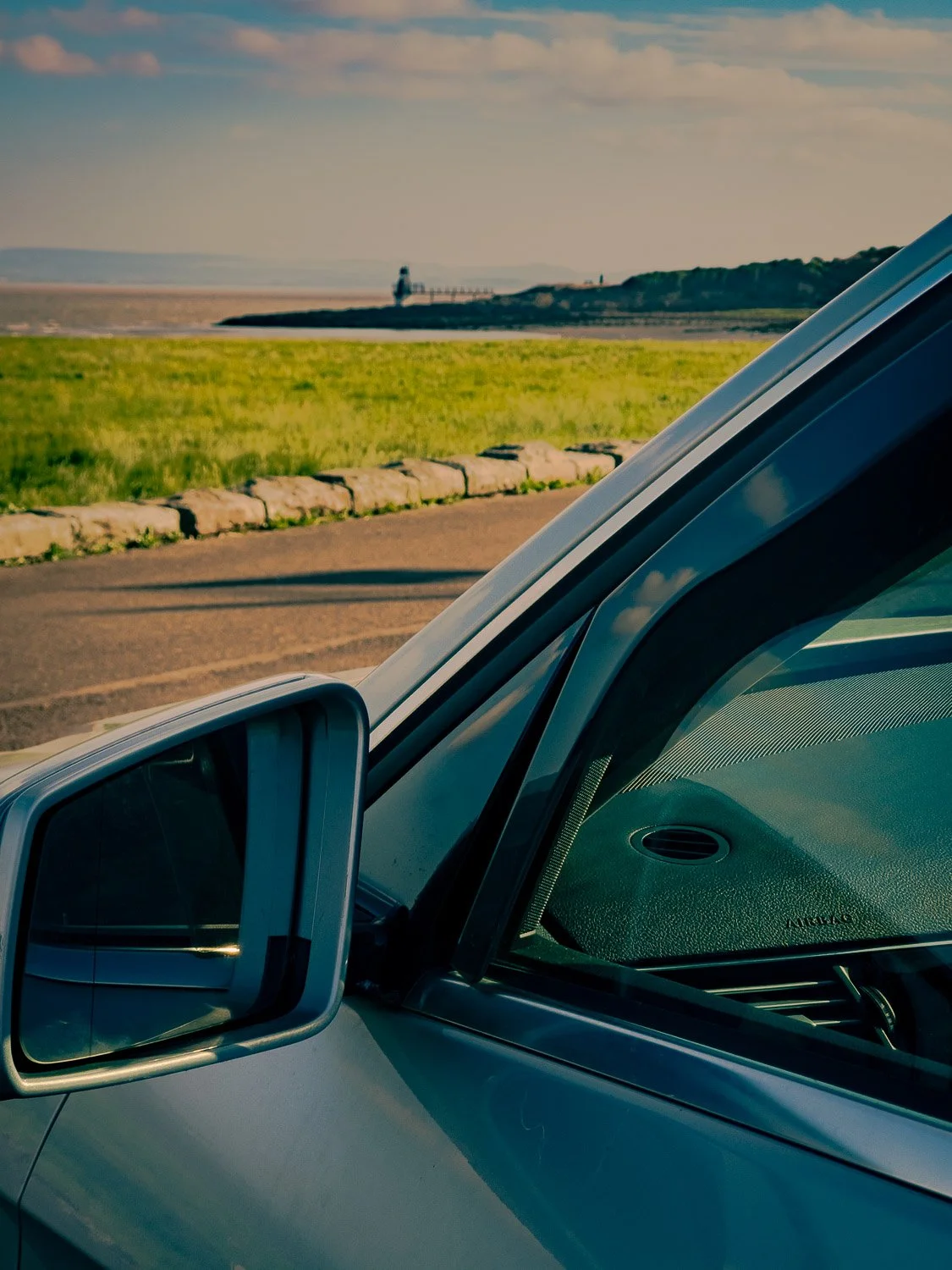
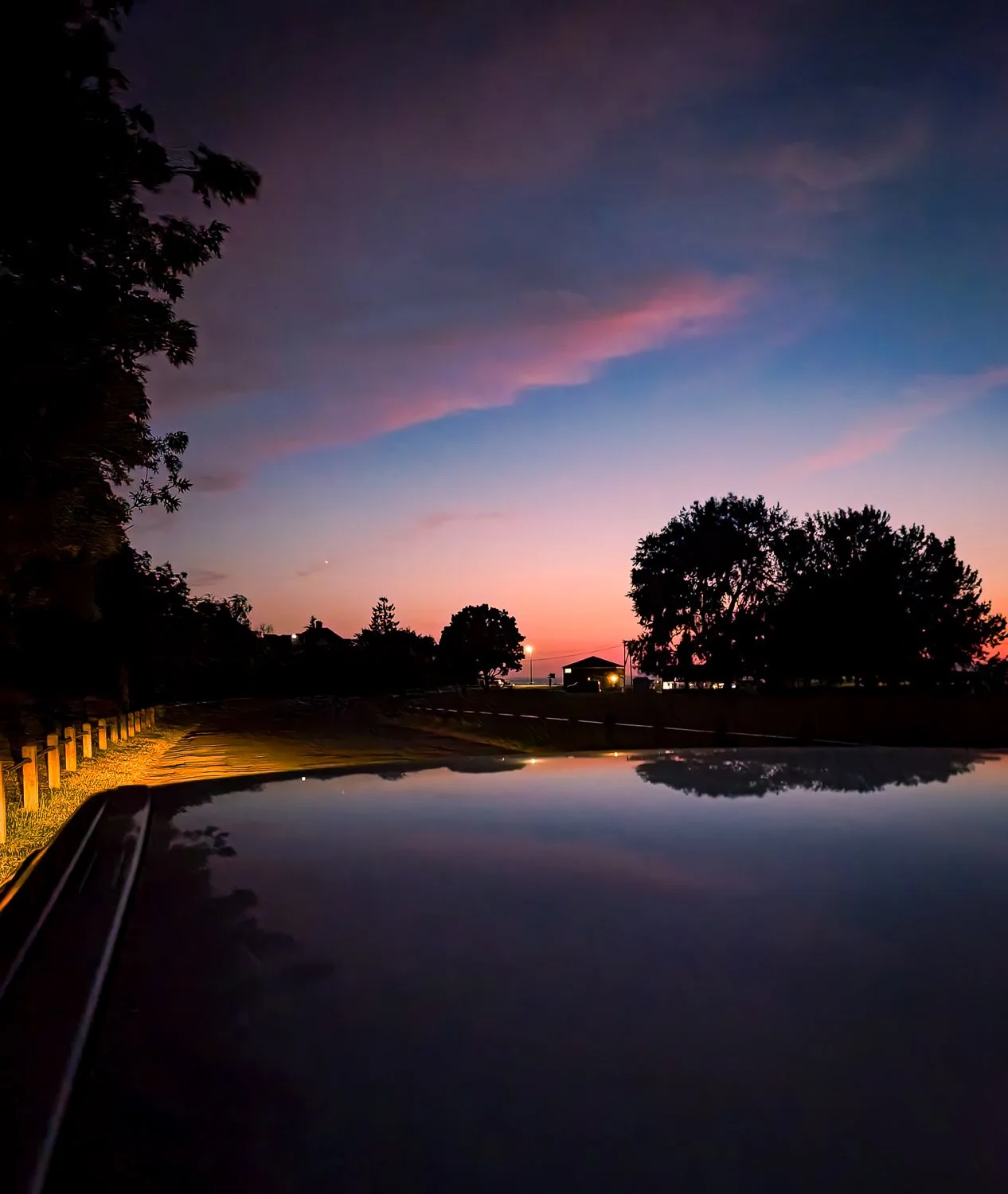
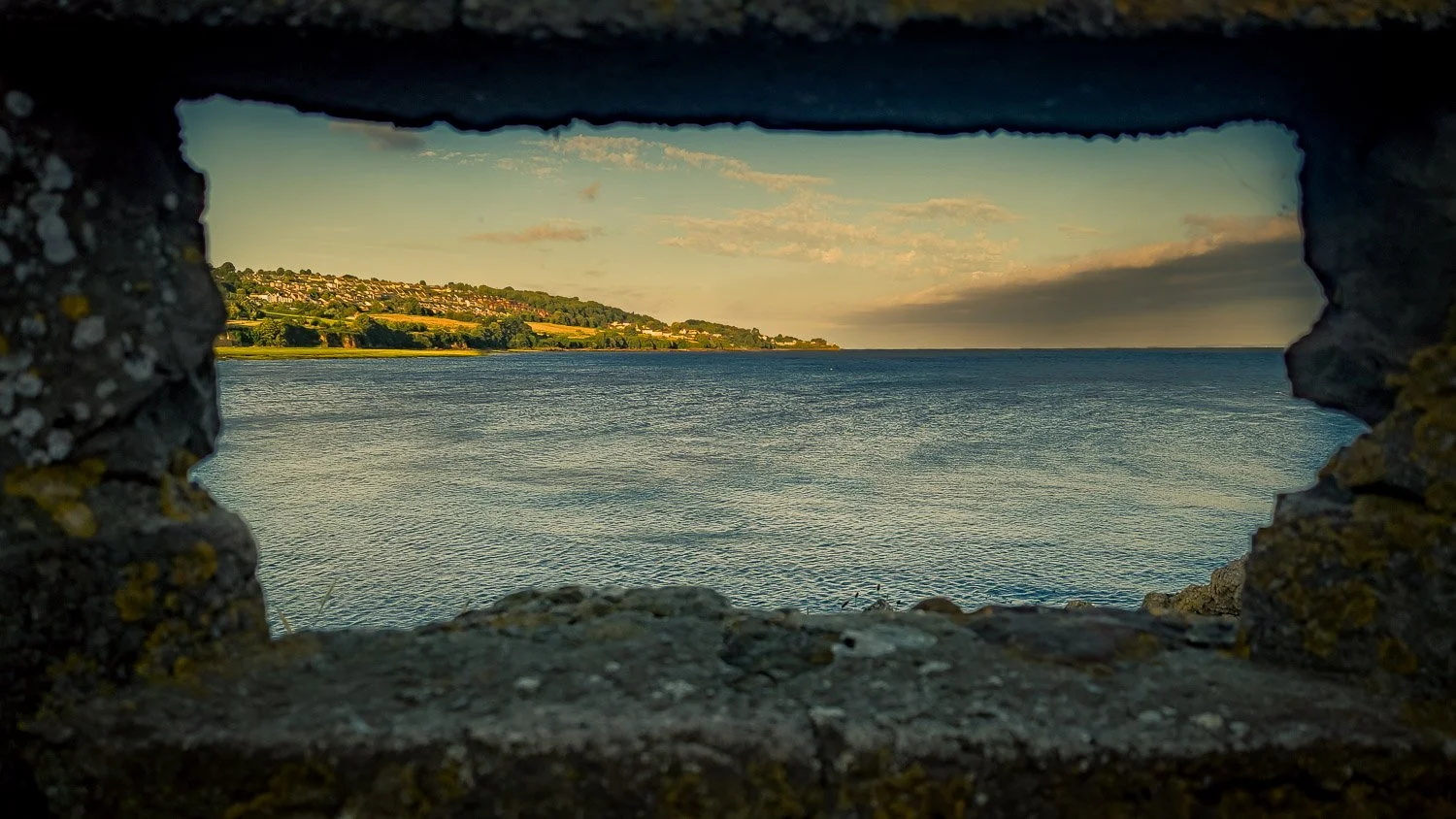
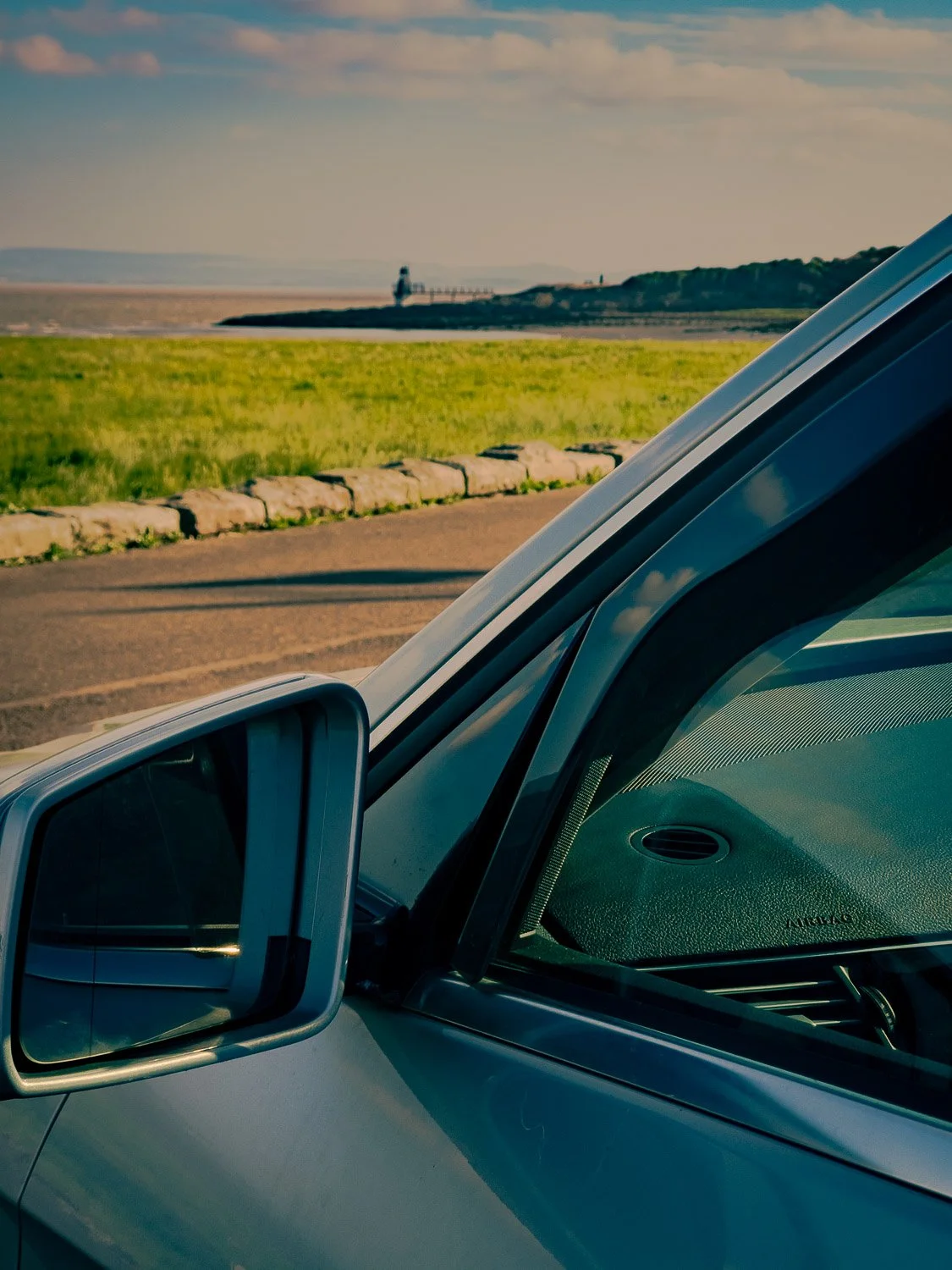
A Room with a View
A car beside the coast during the first days of No Fixed Address. The view could feel like freedom for a moment, but I was still waking on the back seat.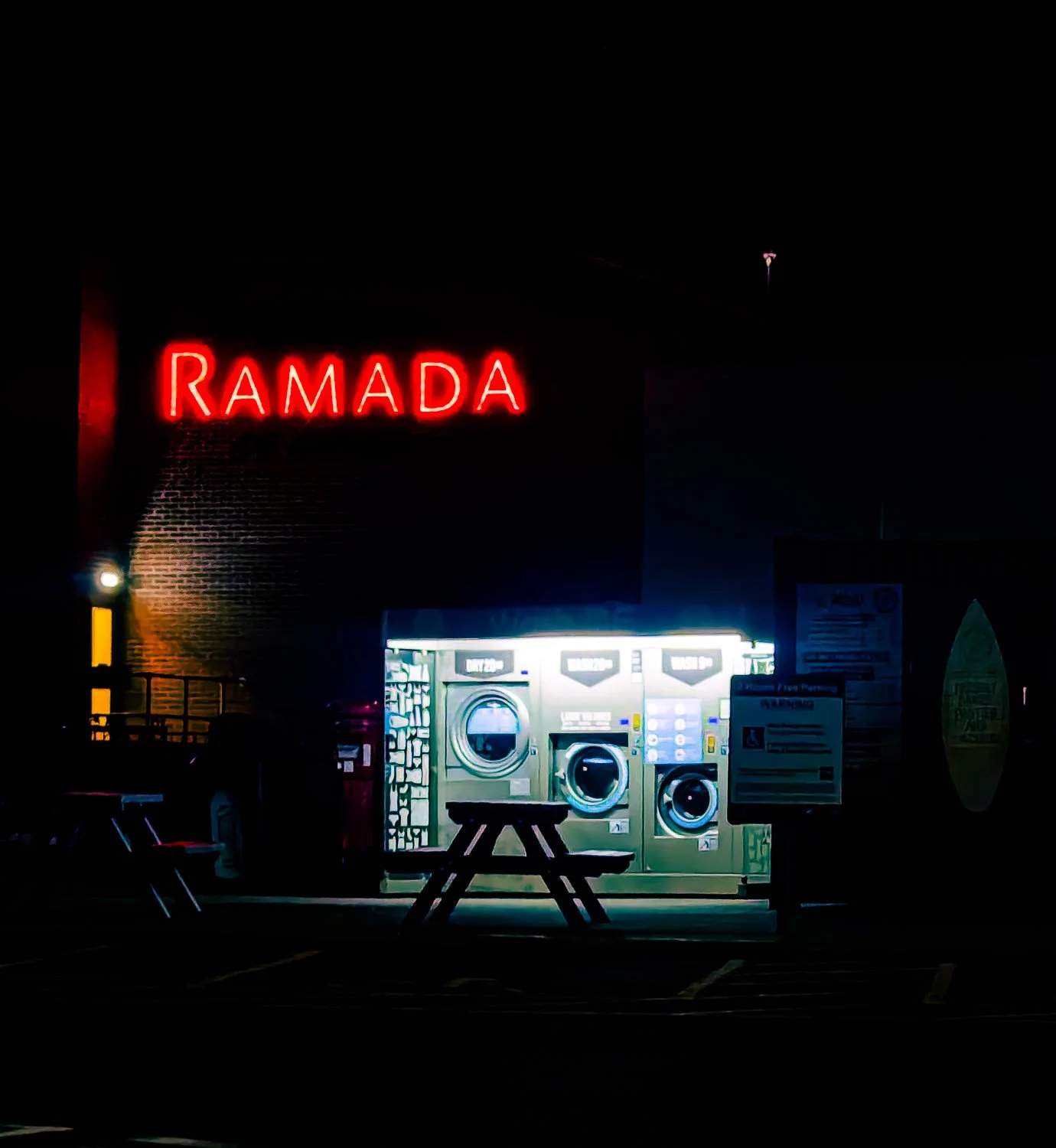
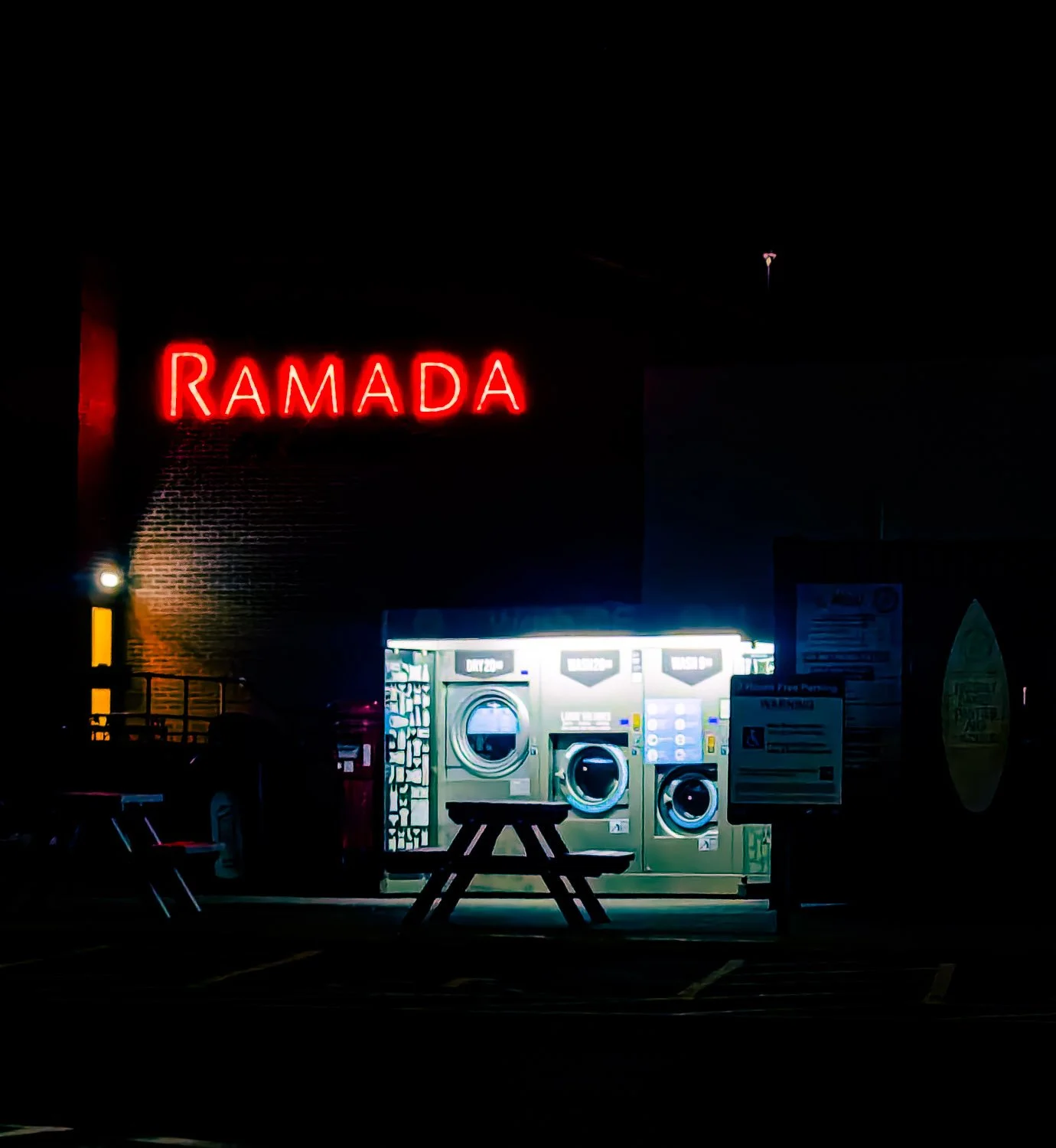
Ramada Laundrette
I was still going to work every day, so clean clothes mattered. This outdoor laundrette became one of the places where I could keep that part of my life functioning.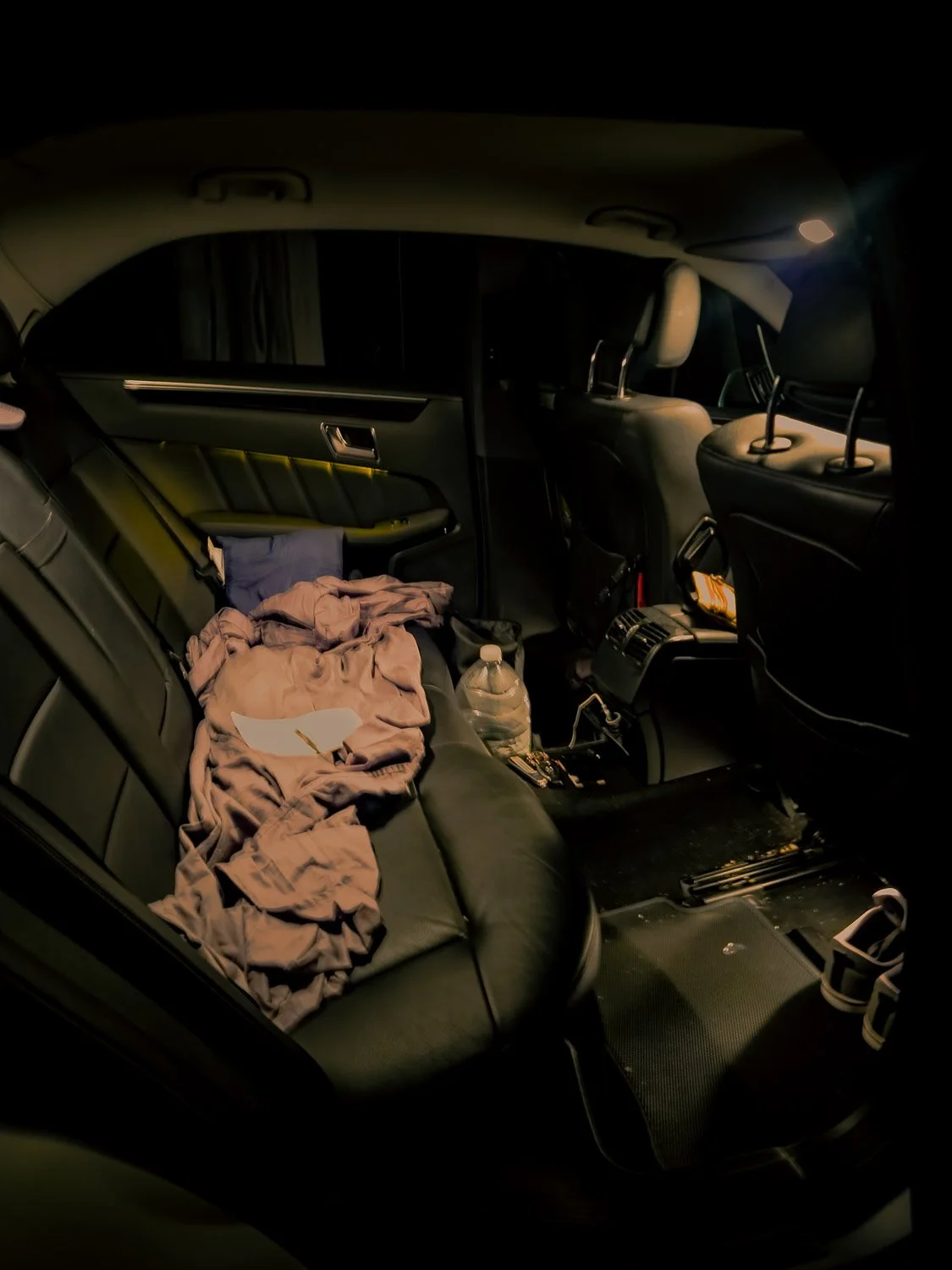
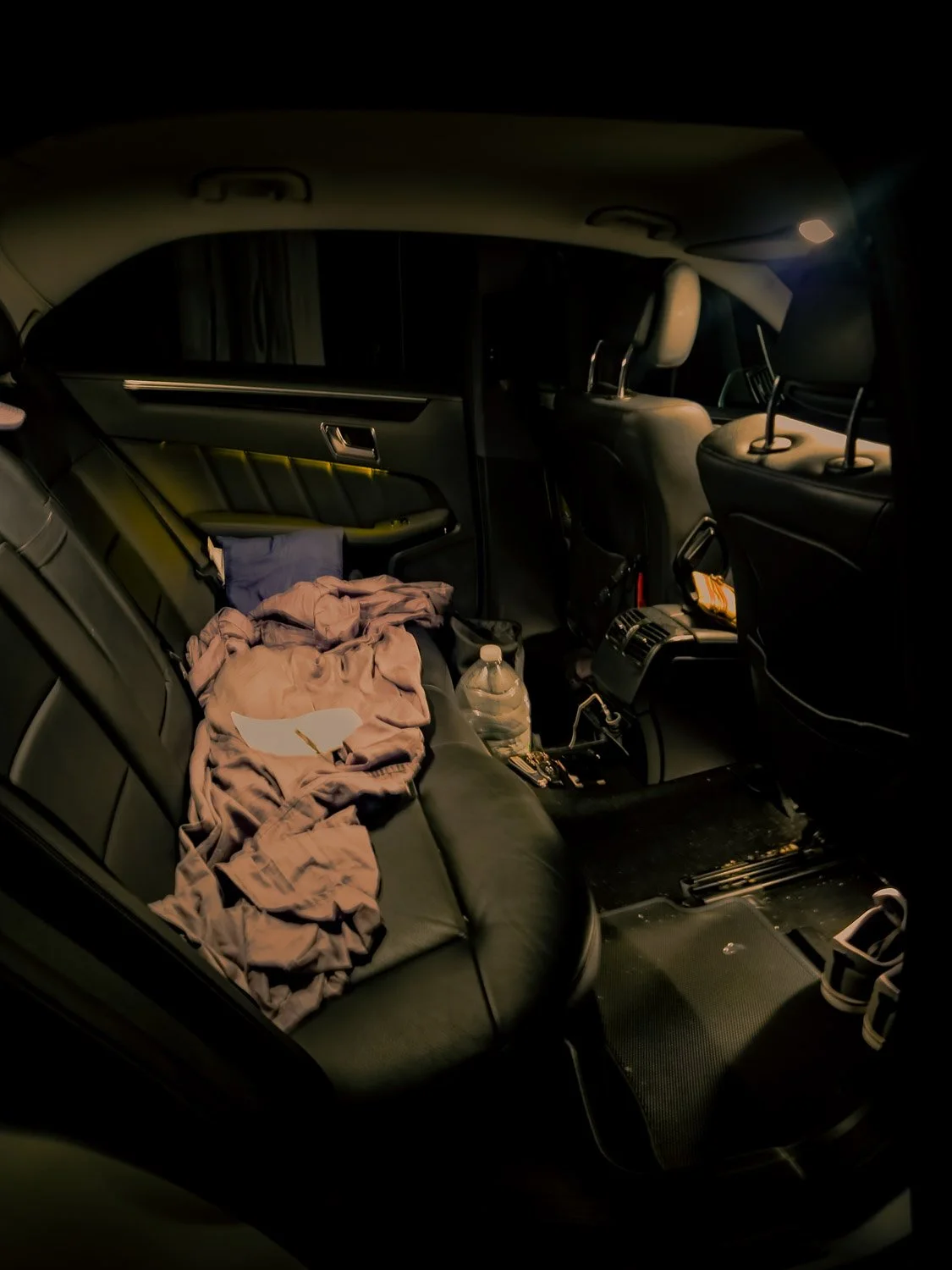
How to Hide a Bedroom
The back seat of my car made into a bed during the first five nights. By morning, the bedding had to be packed away so the bedroom could become a car again.
I didn’t want to photograph homelessness as a series of dramatic moments because that wasn’t how I experienced it.
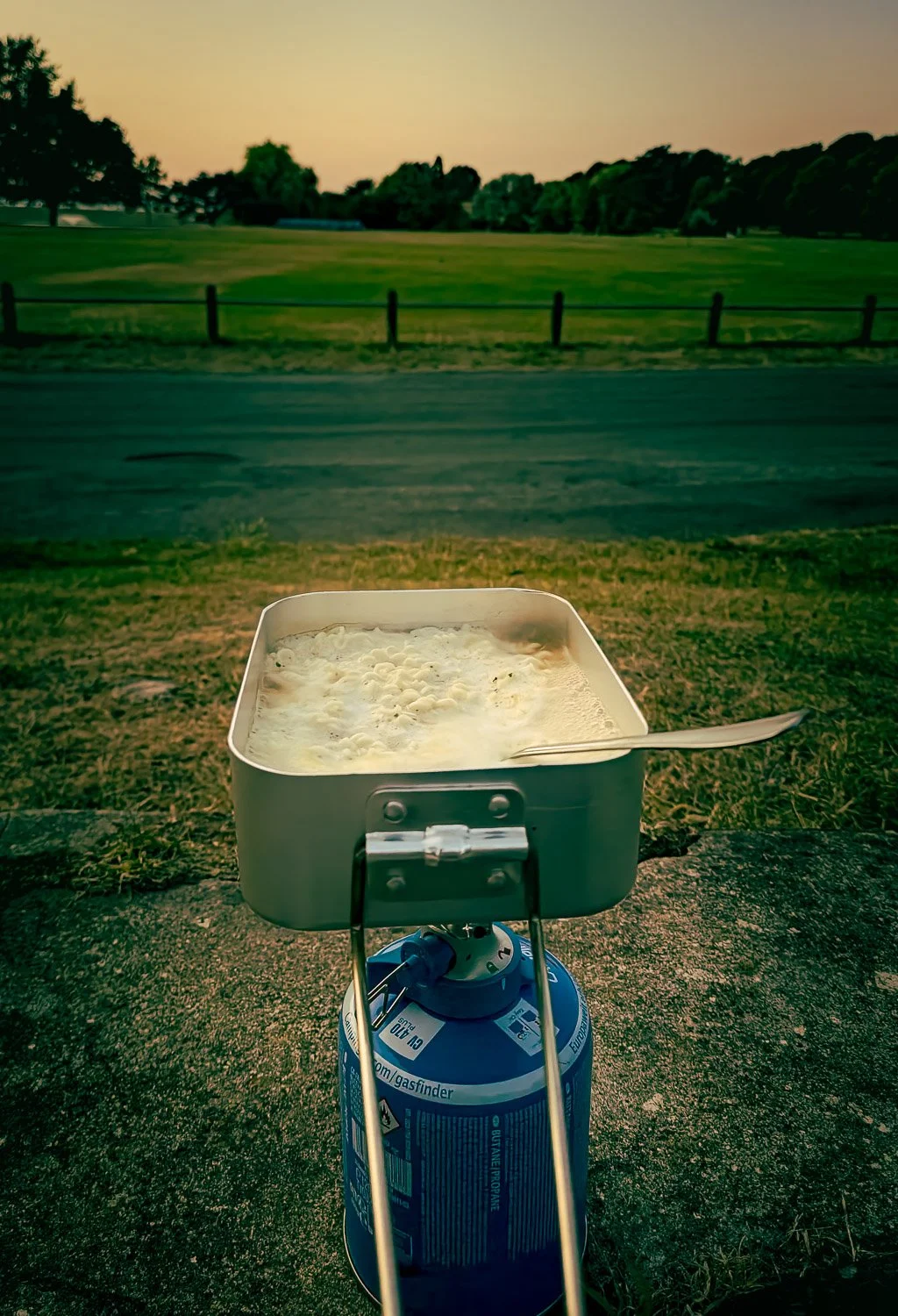
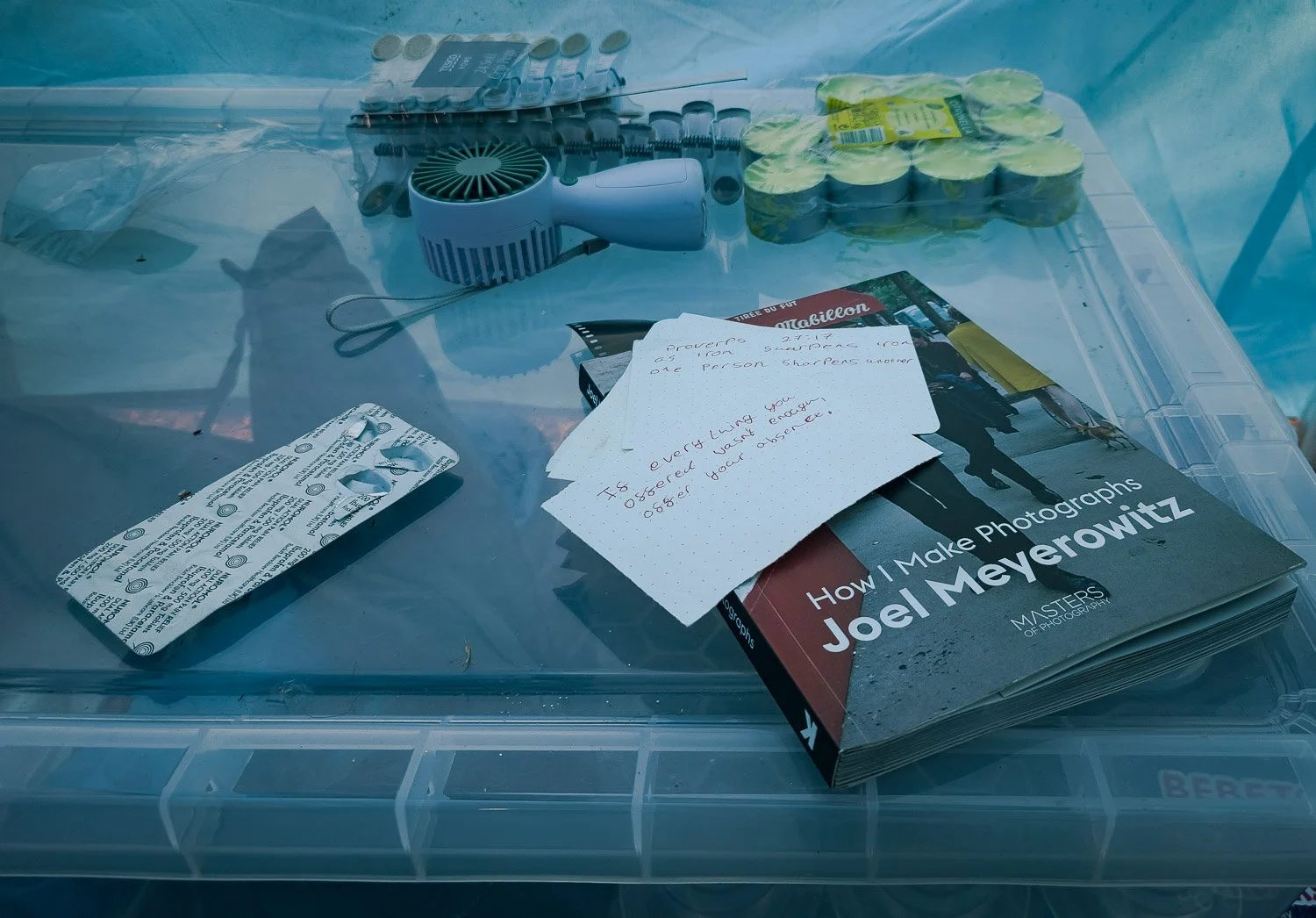
Most of it was repetitive and logistical. I needed clean clothes, water, food, somewhere to wash and enough sleep to work the next day. Things that disappear into the background when you have a home became separate jobs that had to be planned.
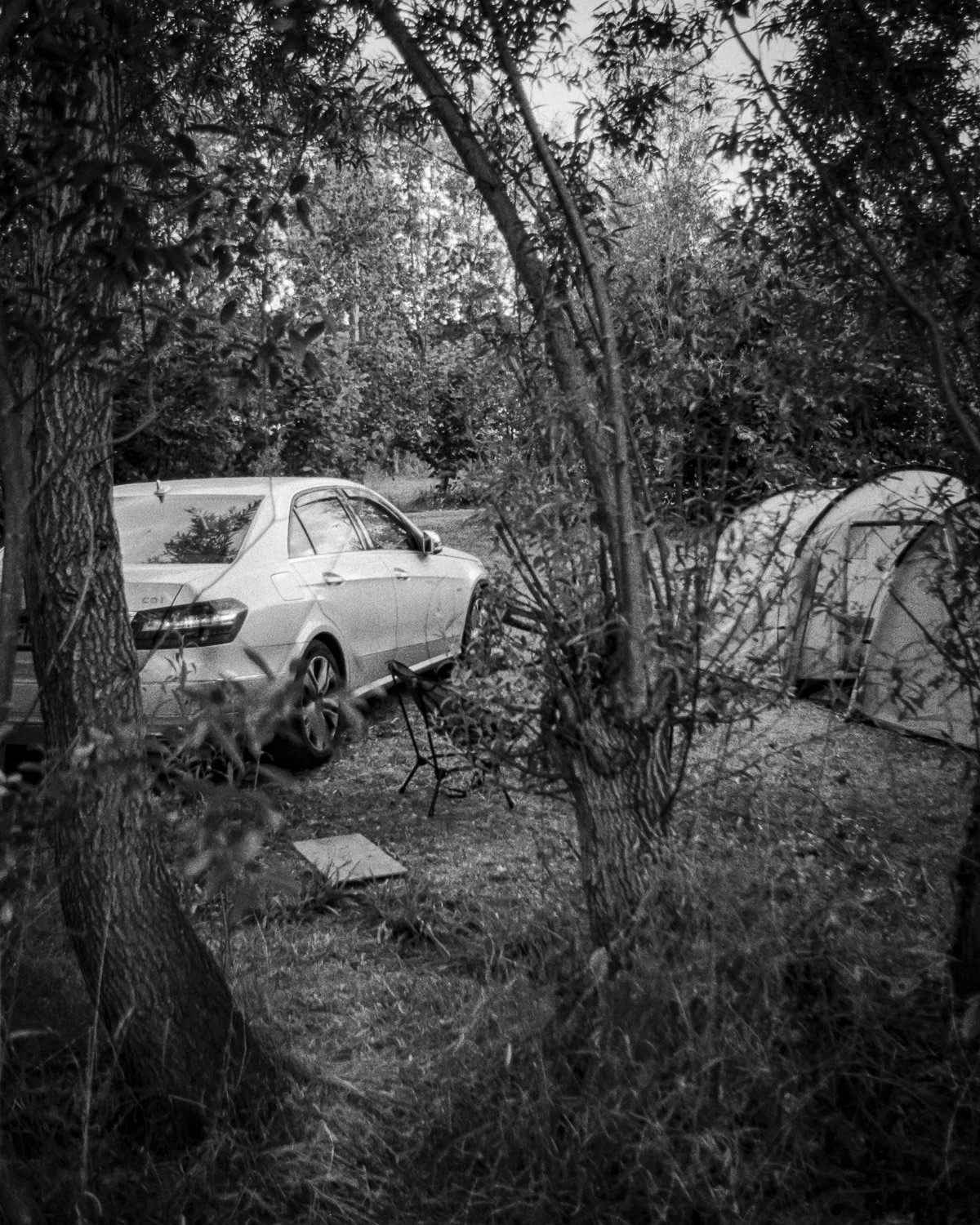
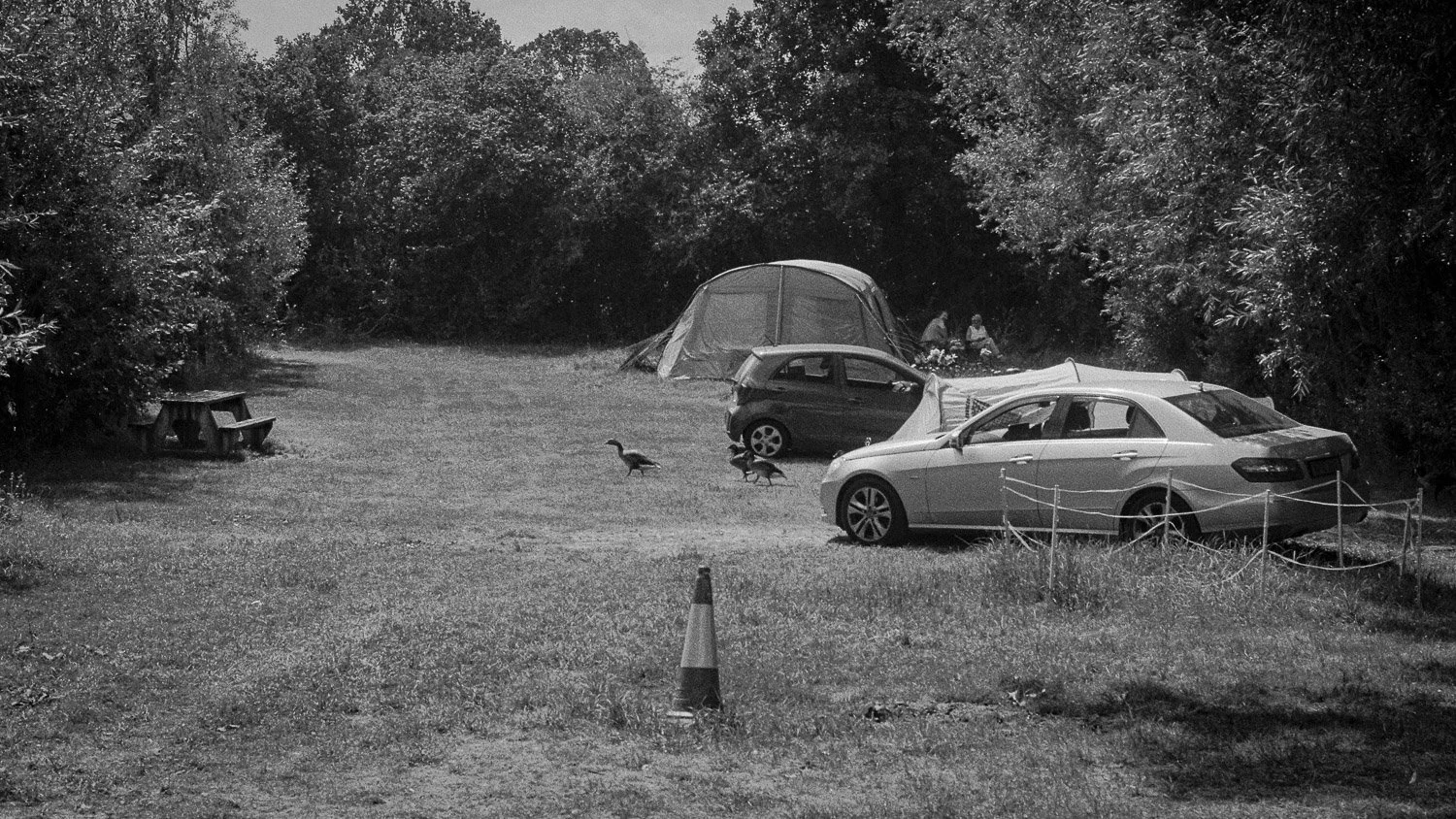
The car was transport, storage and a bedroom. The campsite gave me somewhere I was supposed to be for the night, but it didn’t make the situation simple. Returning to a room changed the immediate problem, but it didn’t end the project.
Three Phases
THE CAR
The first five nights were spent in the car. The back seat became a bed at night and had to become a car again in the morning.THE CAMPSITE
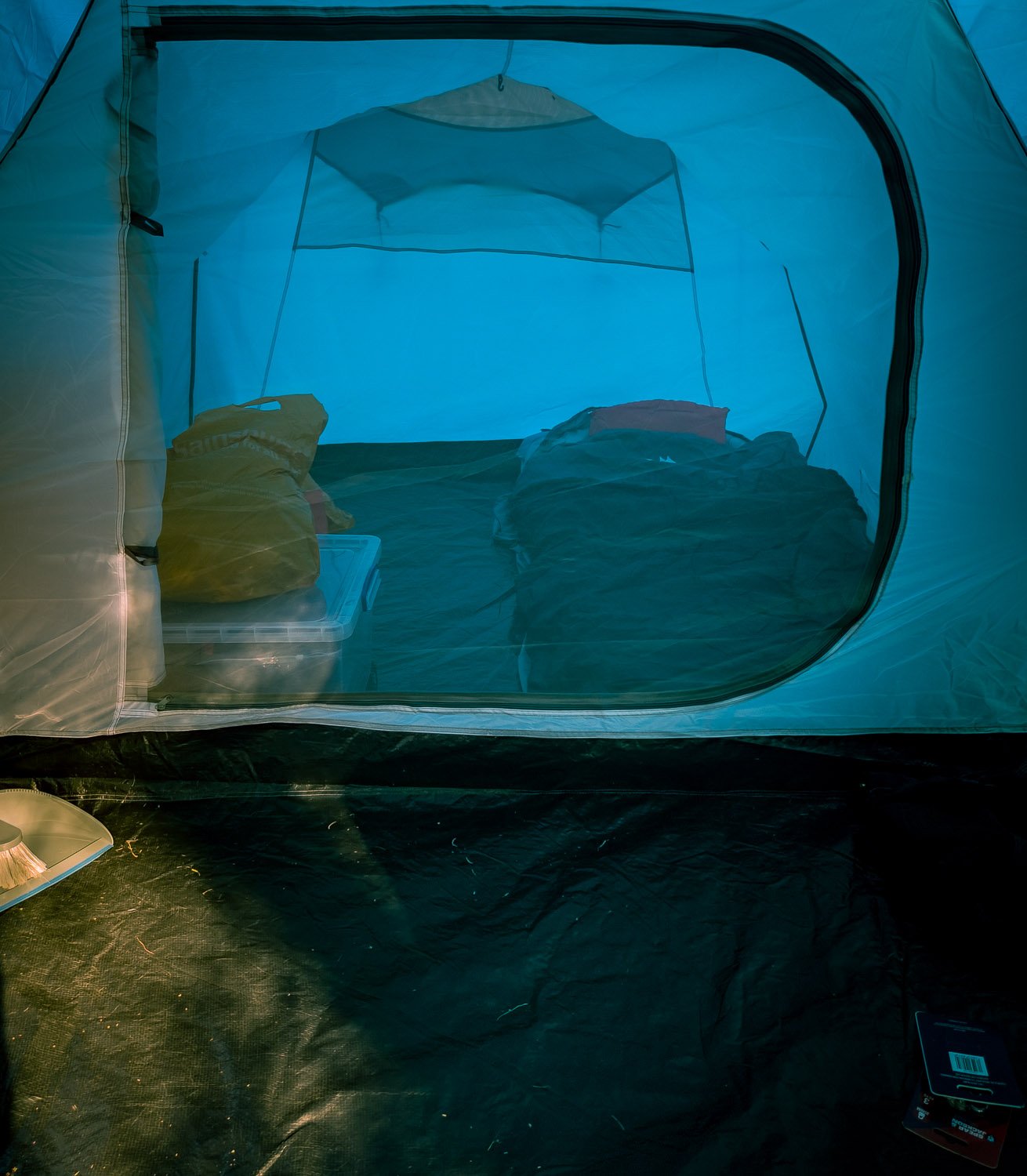
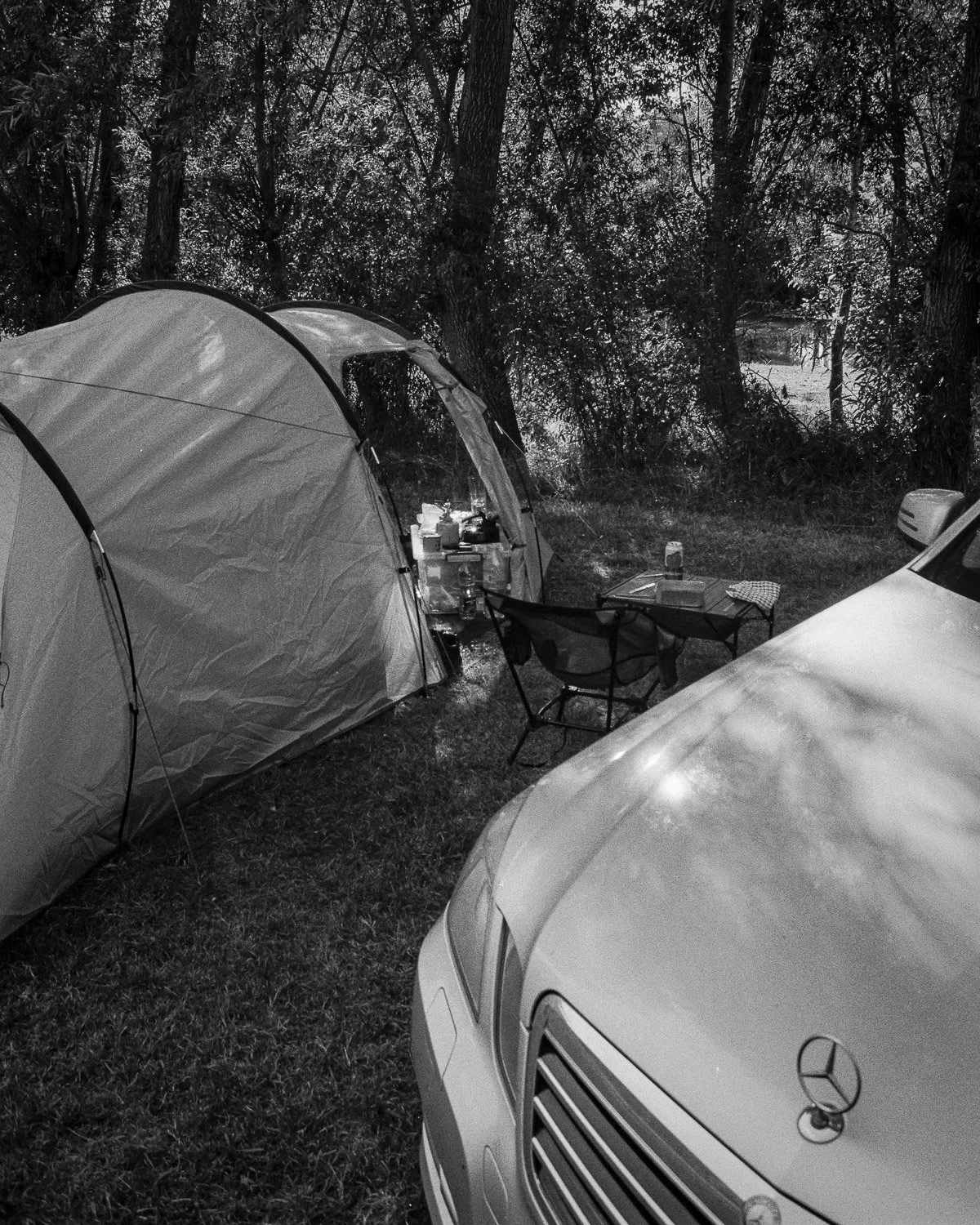
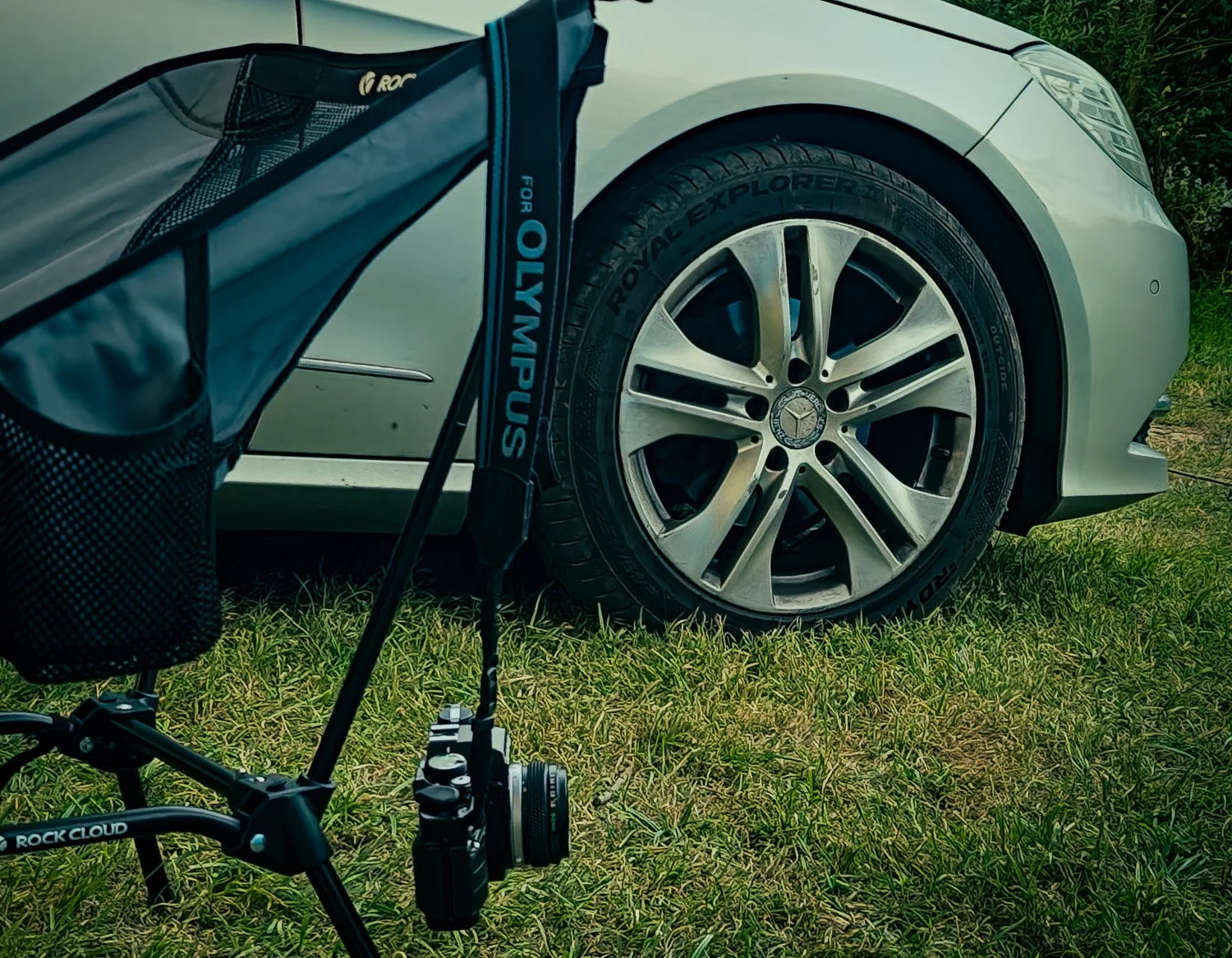
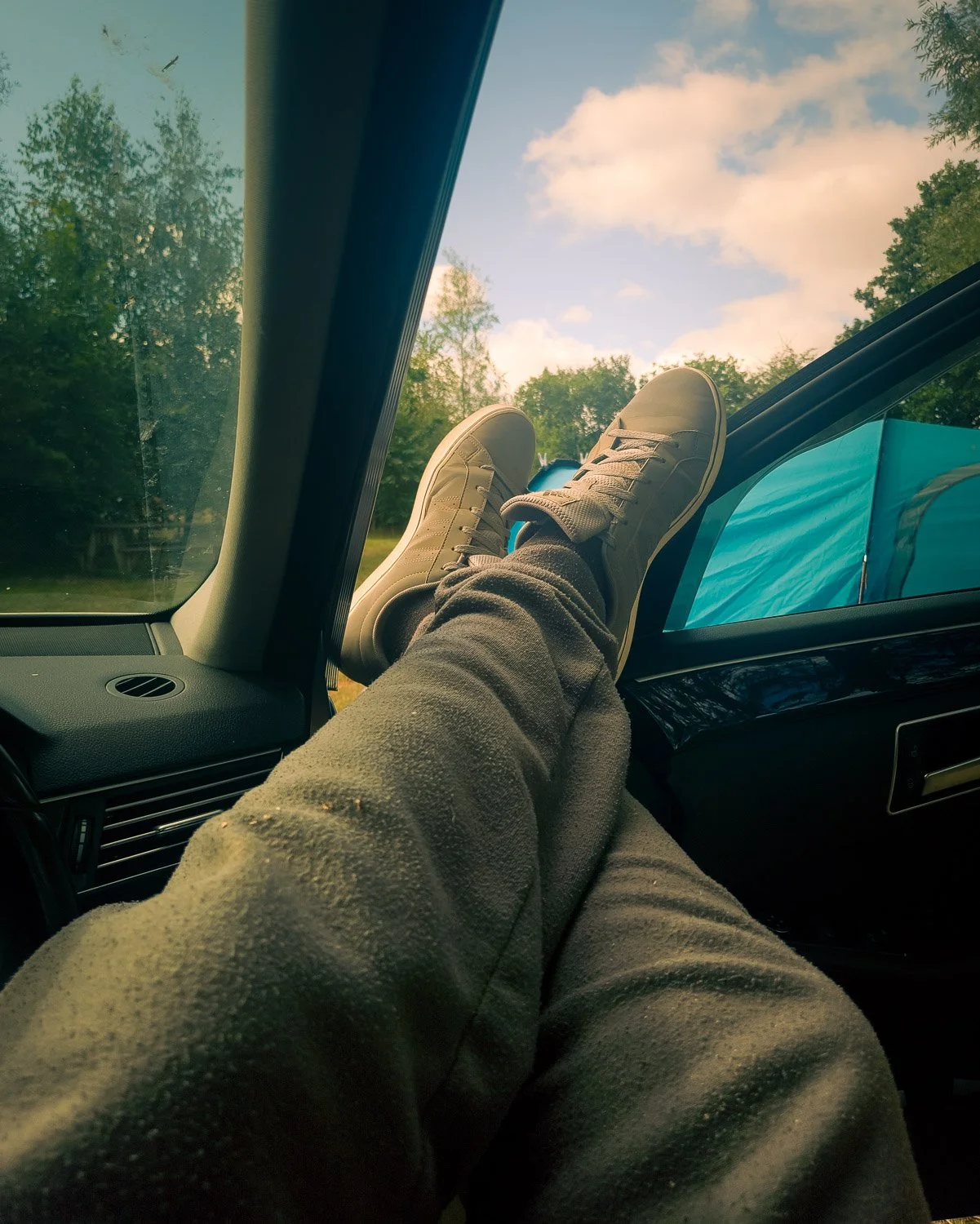
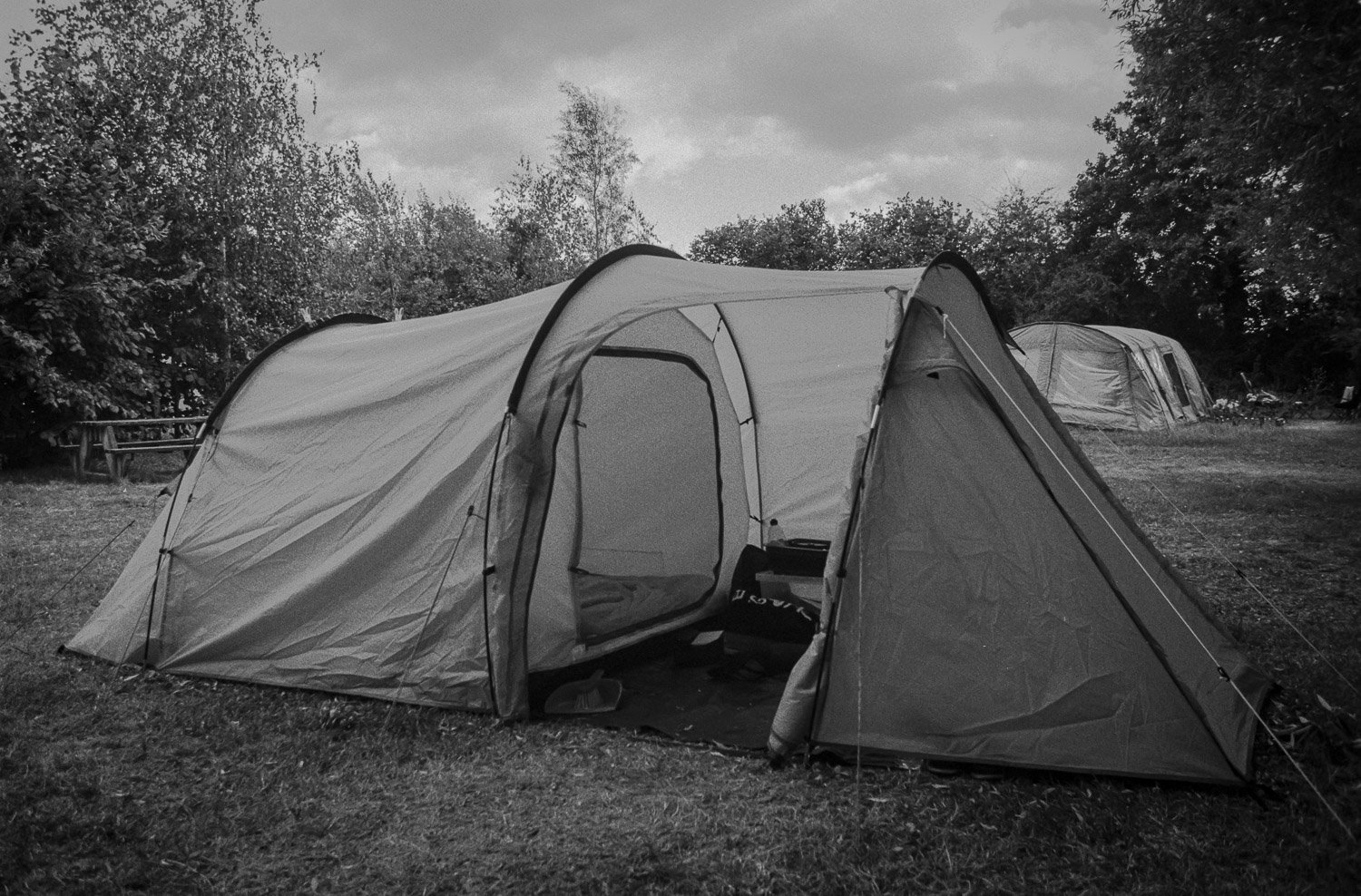
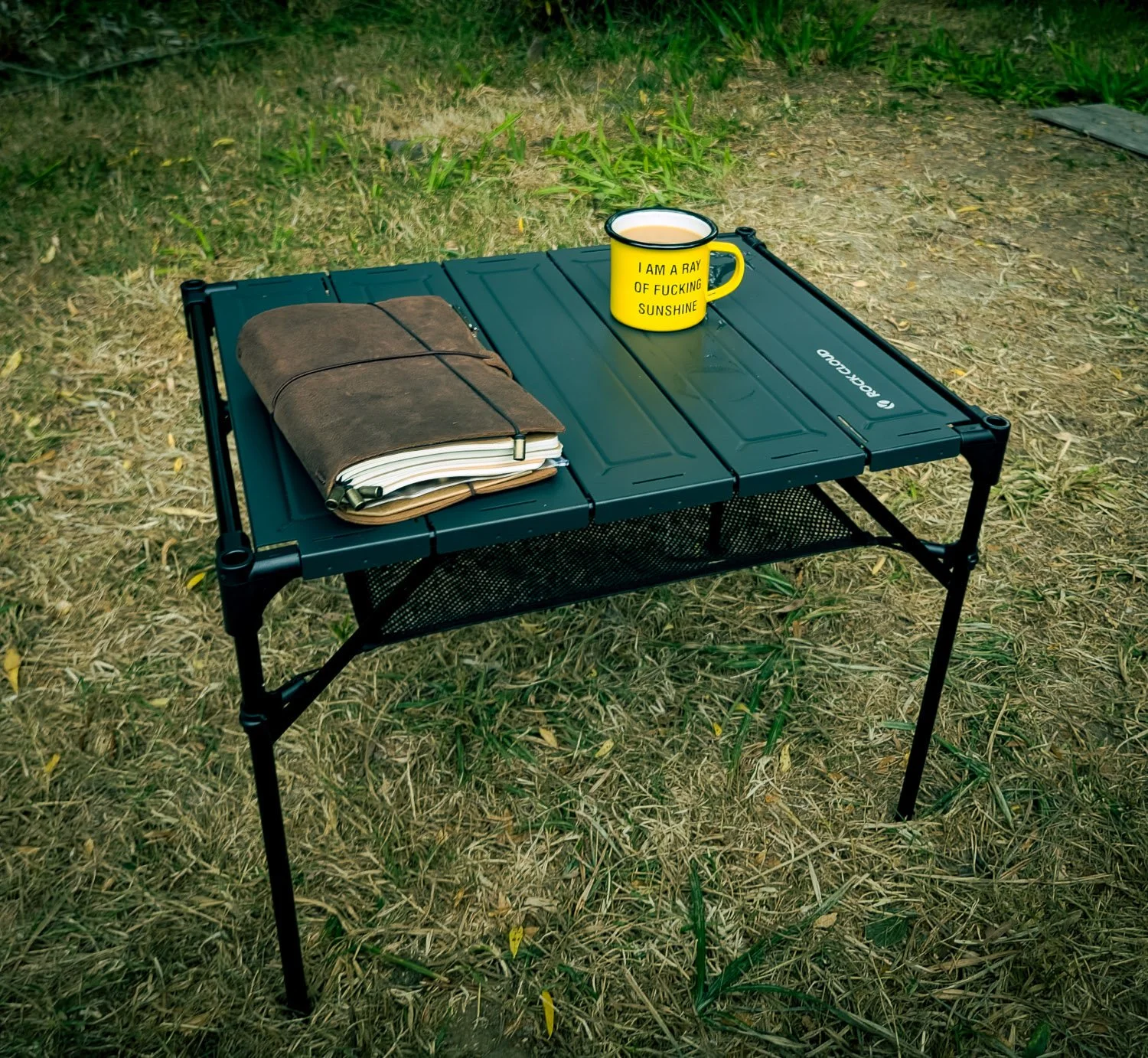
The campsite gave me more space, showers and somewhere to leave the tent. It made things easier without making them normal.BACK INSIDE
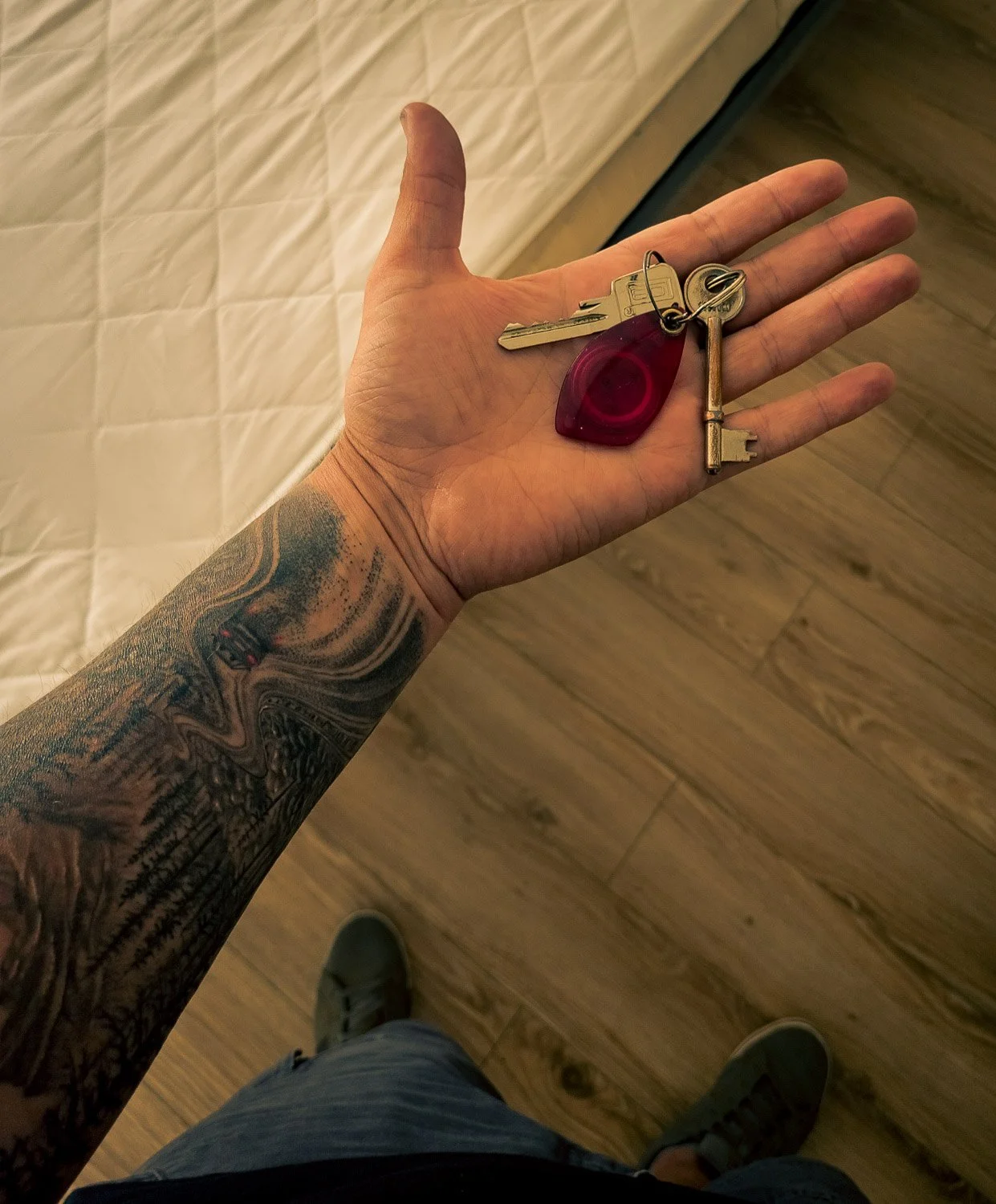
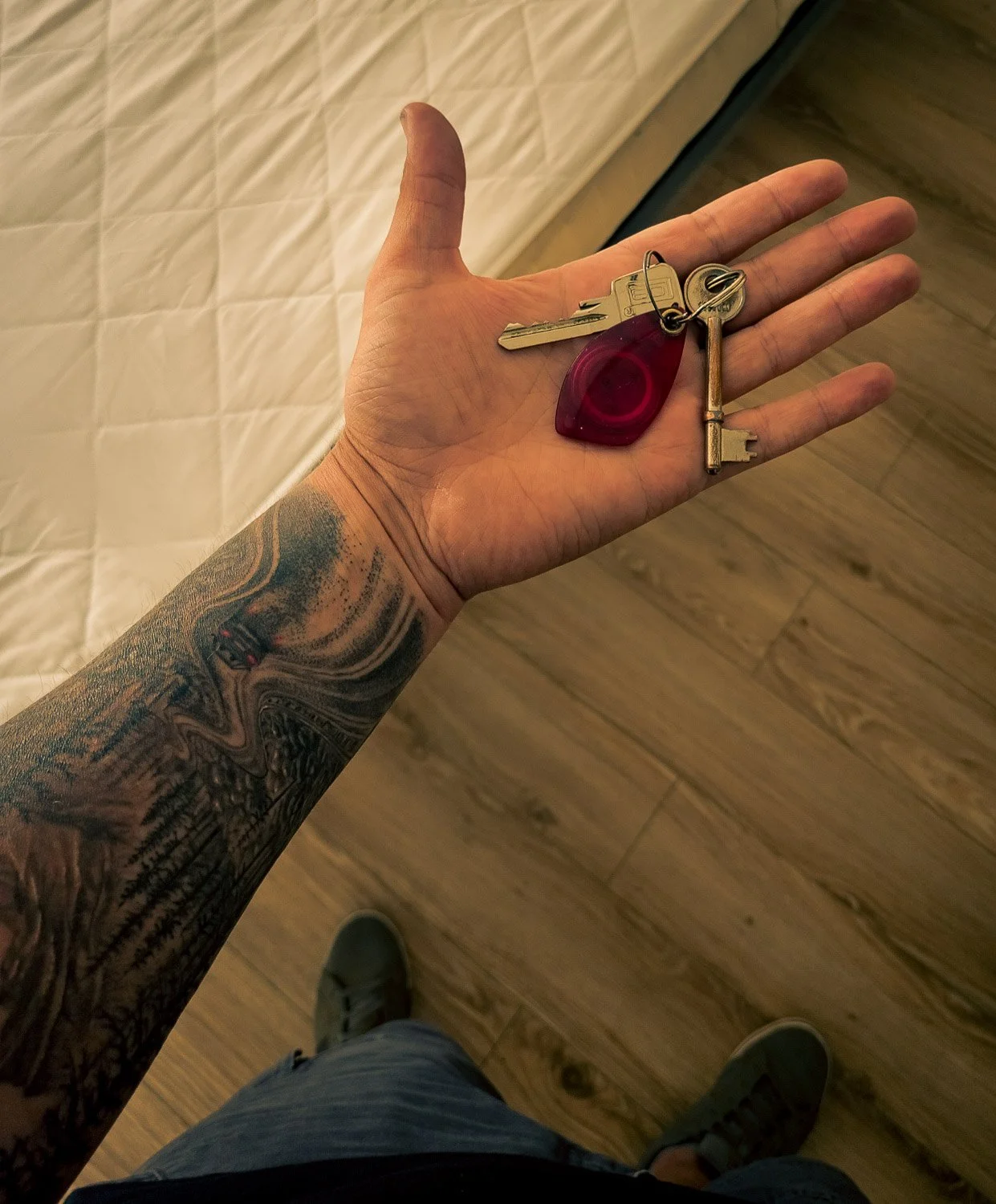
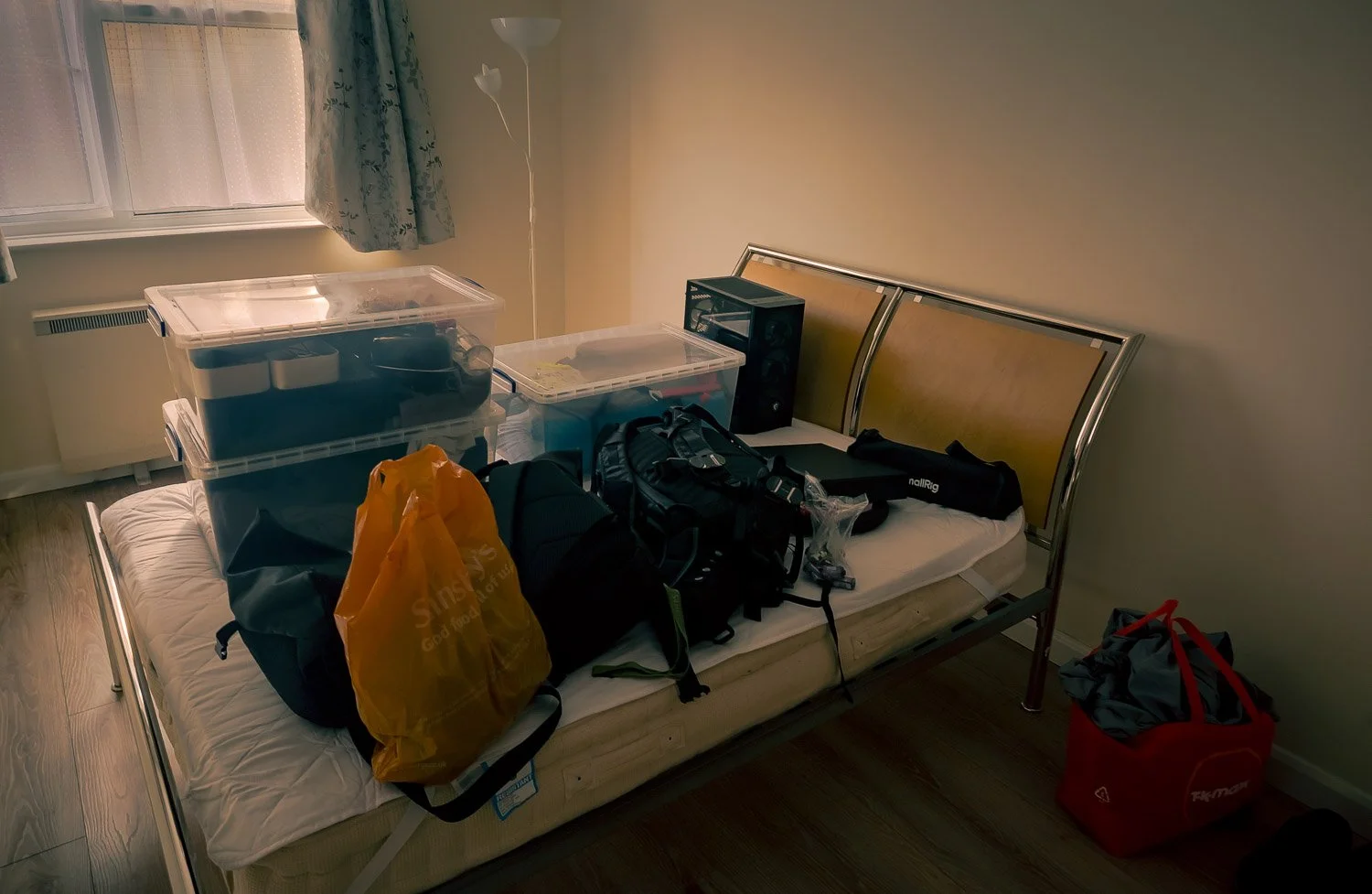
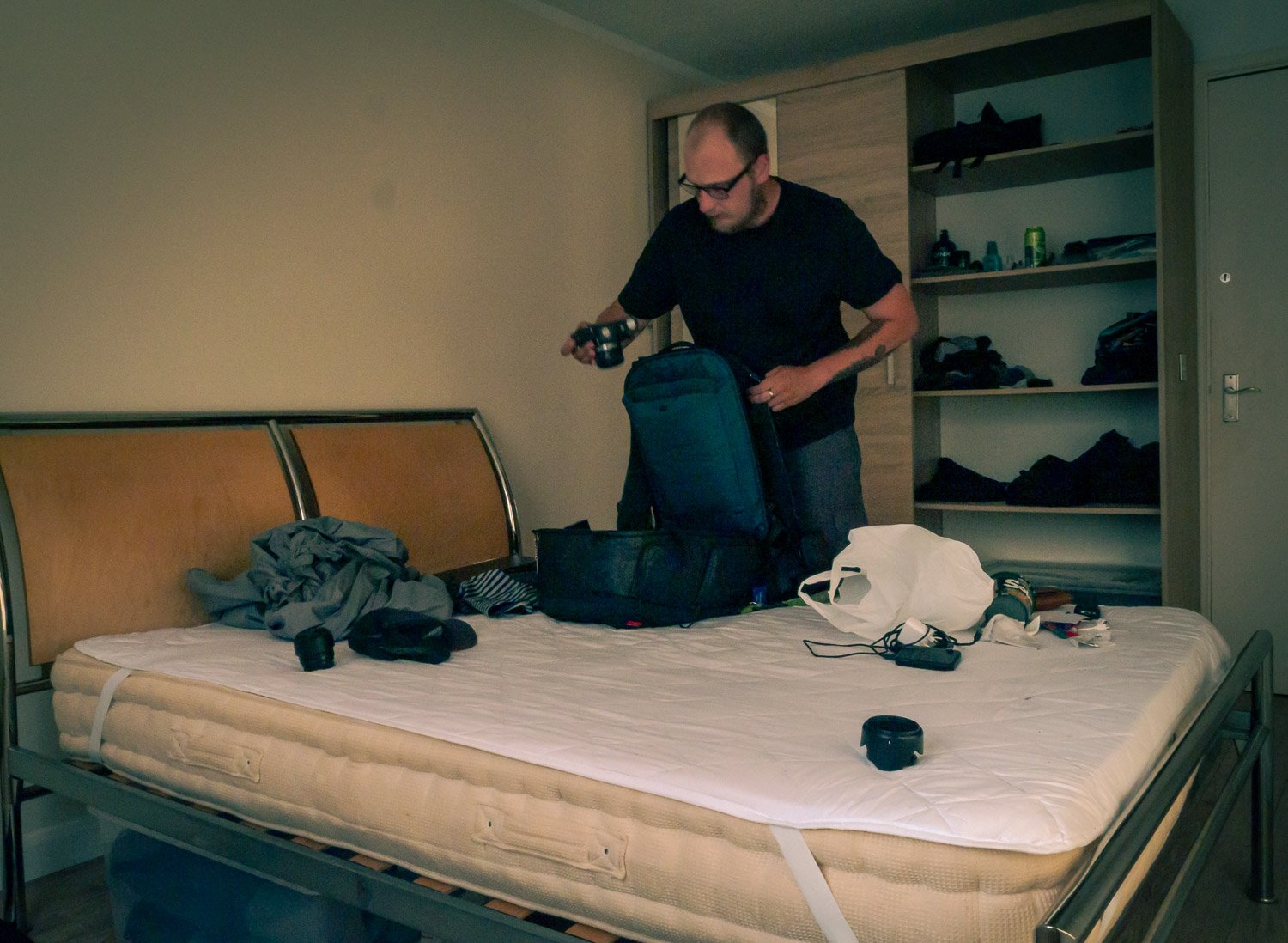
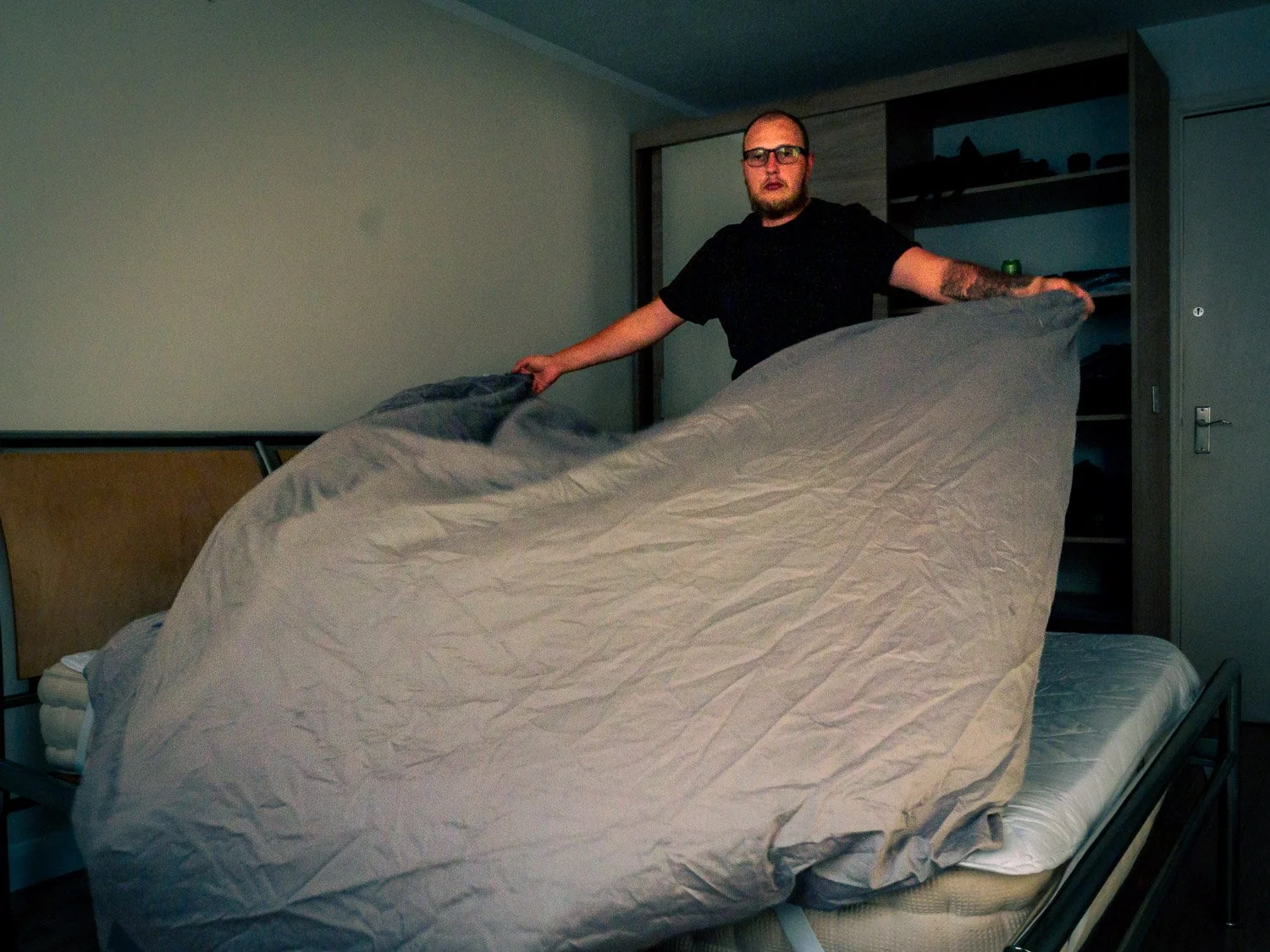
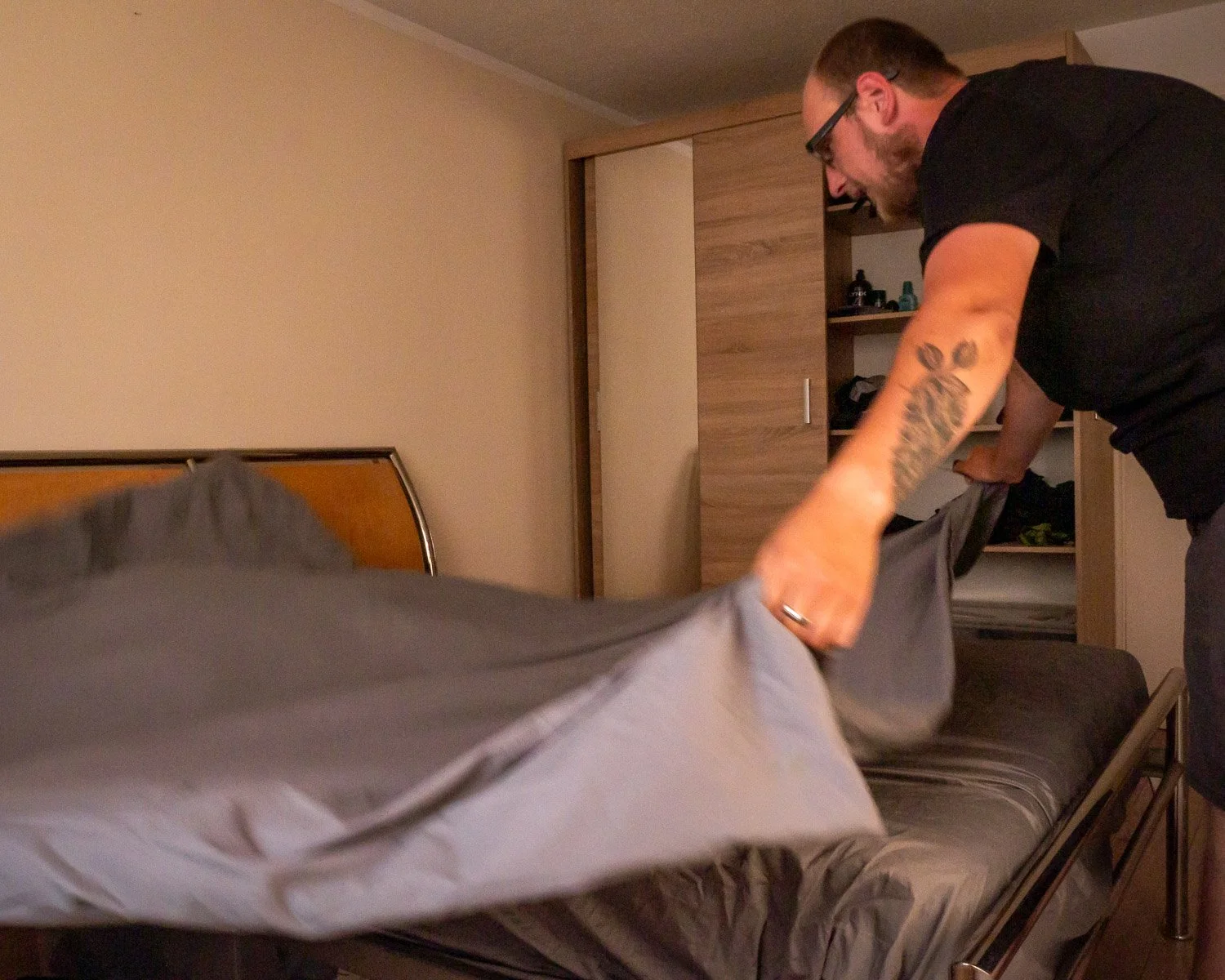
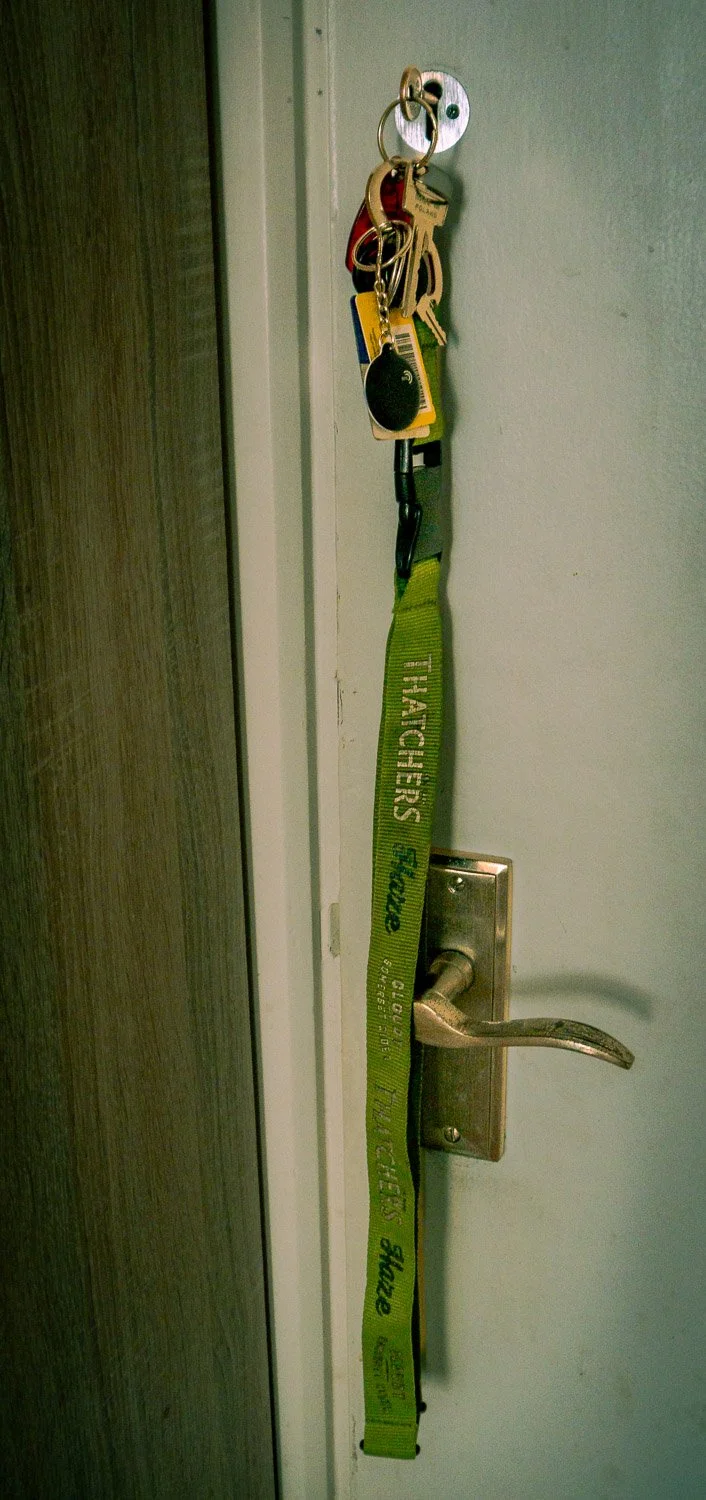
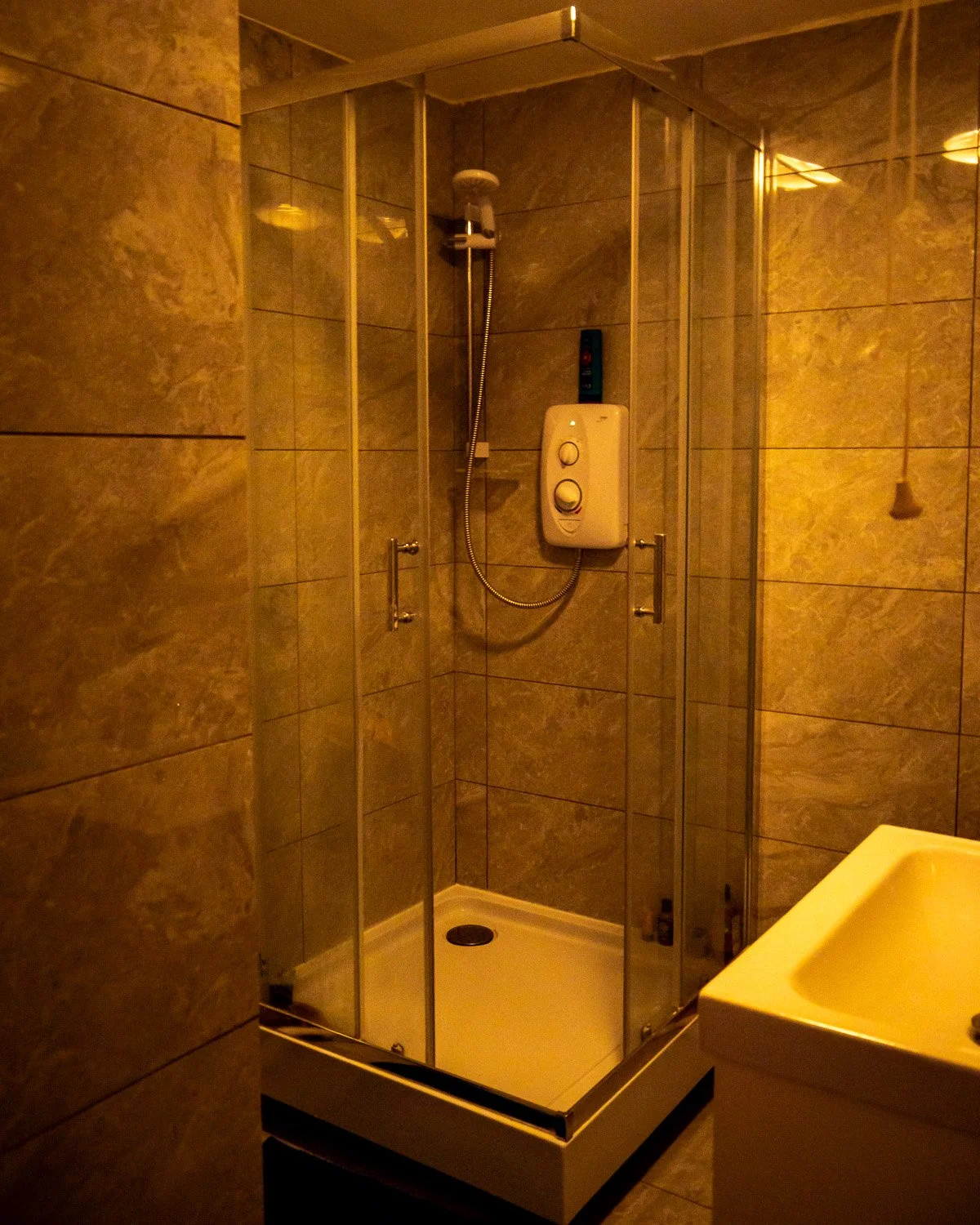
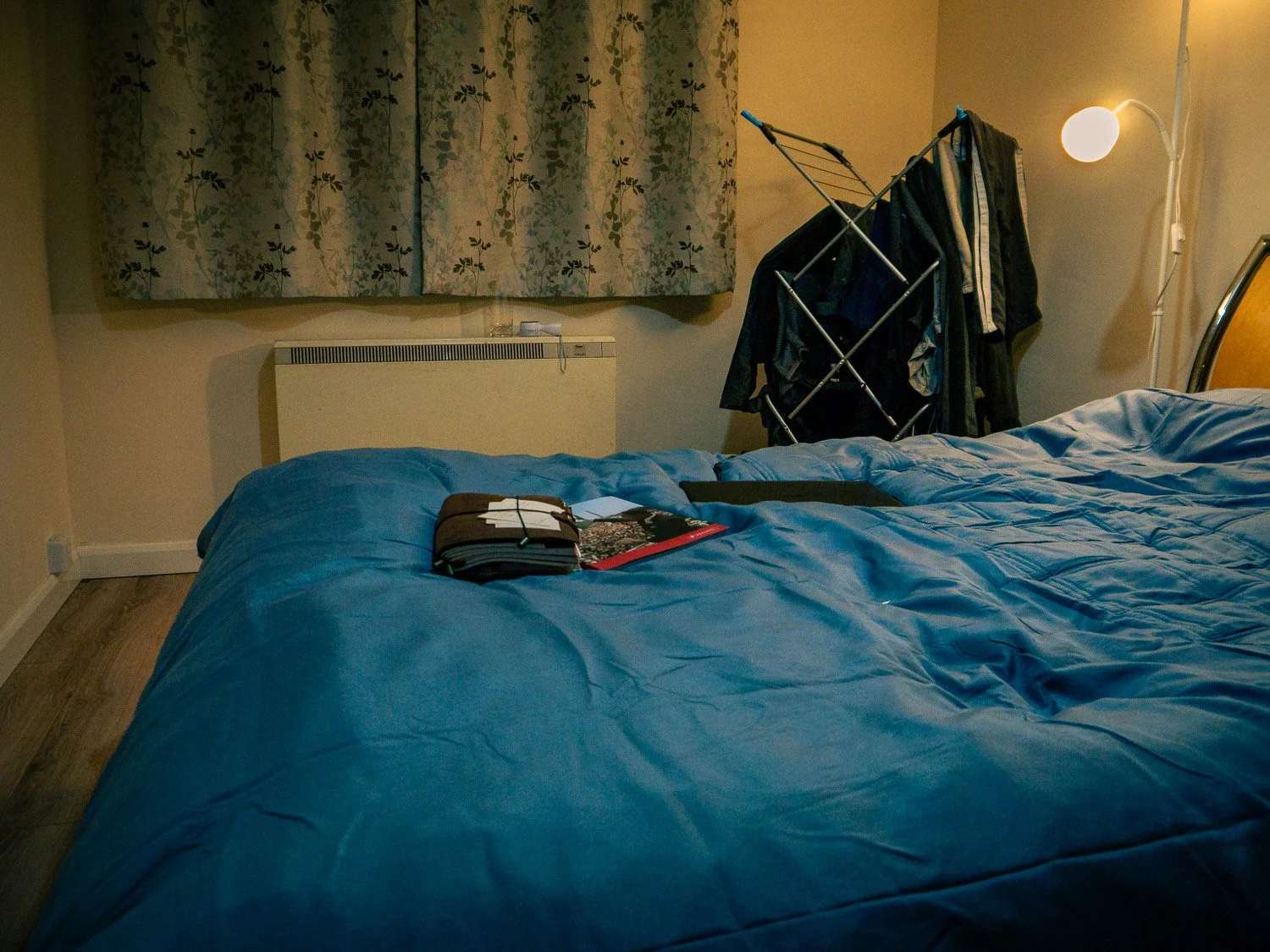
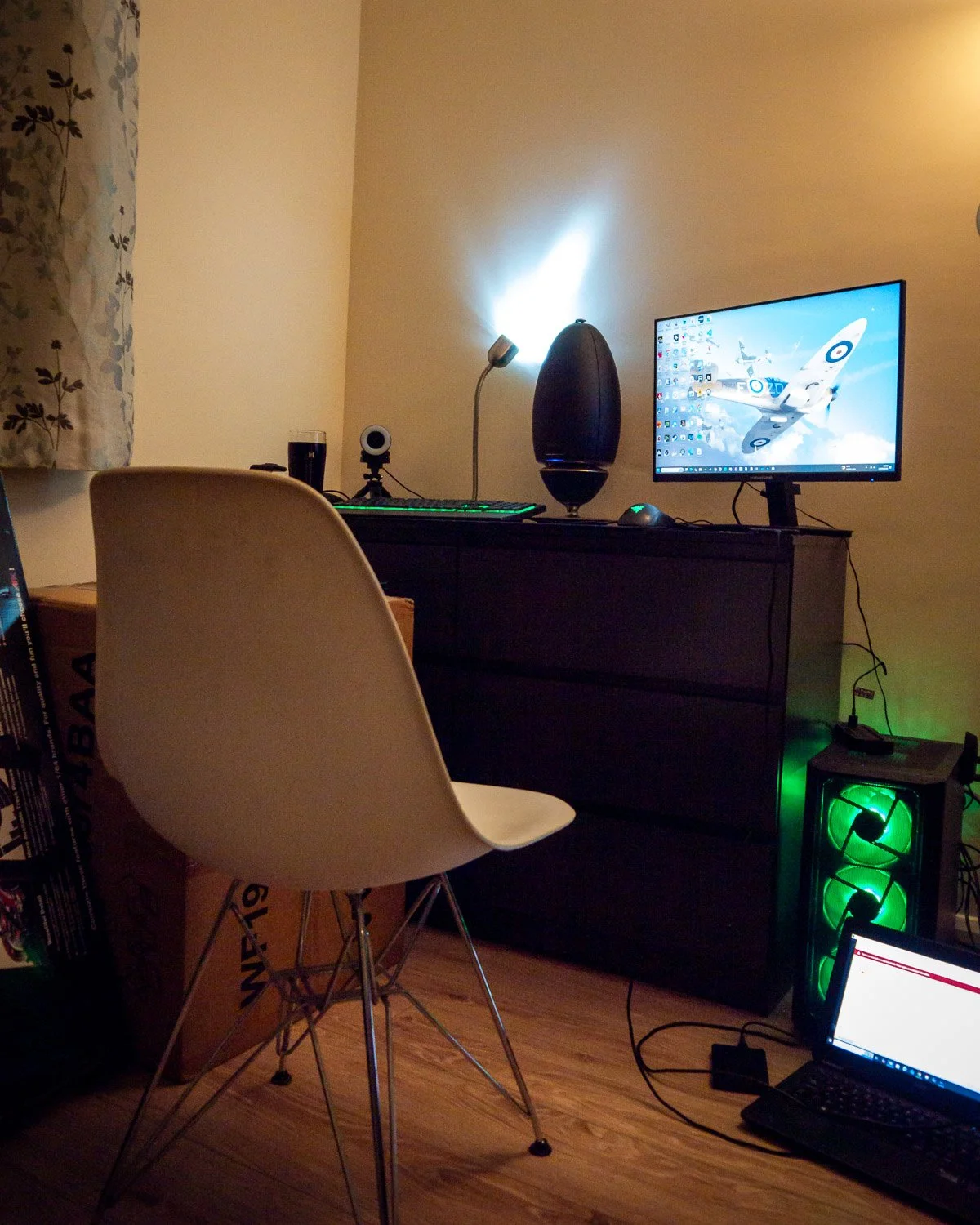
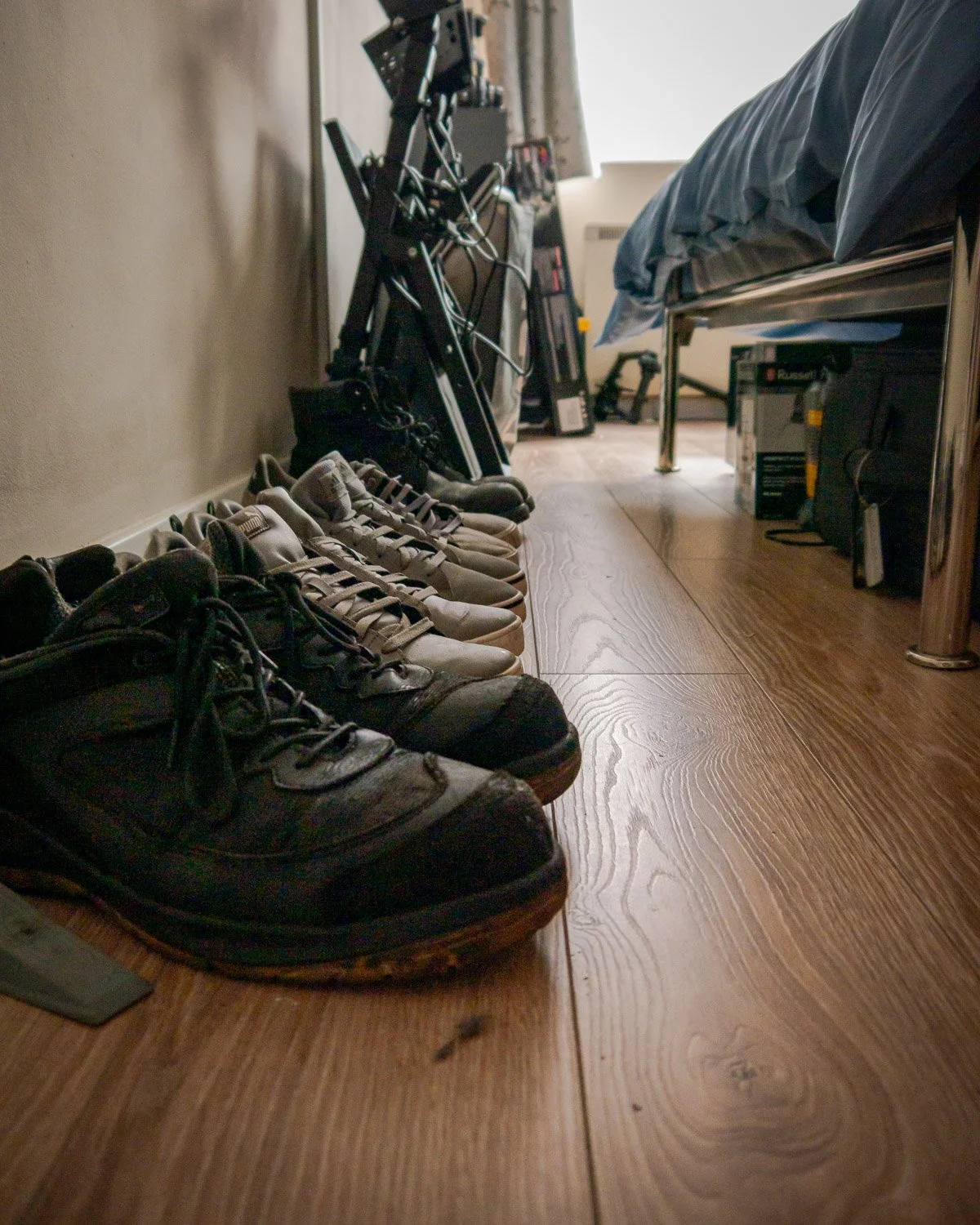
I regained secure housing on 2 August. The project continues into the adjustment that follows, rather than ending at the moment I got a key.This is one person’s experience. I am not trying to speak for everyone who has been homeless, and I don’t think there is one correct image of homelessness.
The work is about hidden homelessness, work, survival, dignity and the distance between how life looks from the outside and what is happening underneath it.
Publications
The i Paper
I live in England’s least affordable city – I have a job but still ended up homeless
If you would like to support the project, share the work or discuss an editorial or speaking opportunity, get in touch.
Enquire
Get in touch about commissions, editorial work, speaking opportunities or collaborations.